
Custom Made Workwear in Australia: The Complete Guide for Businesses and Teams
Discover how to source custom made workwear in Australia — from choosing the right garments to decoration methods, MOQs, and budget tips.

Written by
Troy Maguire
Safety & Workwear
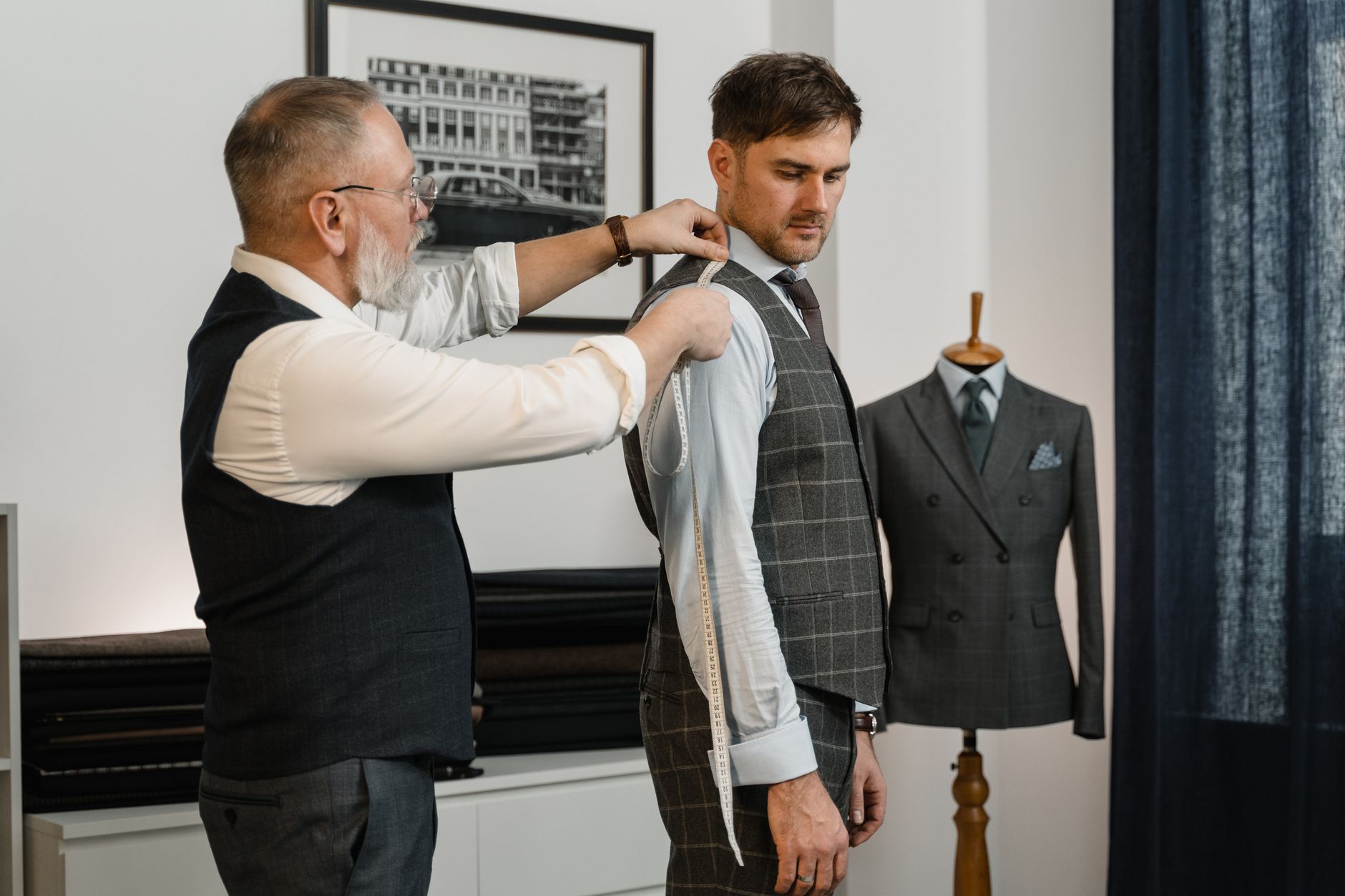
When your team steps onto a job site, walks into a client meeting, or represents your brand at a trade expo, what they’re wearing says everything. Custom made workwear in Australia has evolved well beyond basic uniforms — today’s branded garments combine practical functionality with professional presentation, helping businesses of all sizes build a cohesive, recognisable identity. Whether you’re outfitting a construction crew in Perth, a hospitality team in Melbourne, or a retail workforce across multiple Sydney locations, getting your workwear right from the start saves time, money, and a lot of headaches down the track.
Why Custom Made Workwear Matters for Australian Businesses
There’s a reason so many Australian businesses invest in quality branded workwear rather than leaving staff to dress themselves. It’s not just about looking professional — though that’s certainly part of it. Custom workwear creates immediate brand recognition, builds team cohesion, and communicates to customers that your organisation takes itself seriously.
Think about a Brisbane construction company where crew members wear matching hi-vis shirts with the company logo embroidered on the chest. Clients on site know exactly who they’re dealing with. The same principle applies to a Darwin tourism operator kitting out guides in branded polos, or a Perth mining contractor issuing personalised hard-hat compatible workwear to every member of their team.
There are also practical compliance considerations. Many Australian industries — construction, manufacturing, hospitality, healthcare, and mining — have specific requirements around workwear safety standards, high-visibility colours, and protective features. Custom made workwear allows businesses to meet those compliance obligations while still presenting a polished, professional brand image.
Beyond visibility and safety, branded workwear has a measurable impact on workplace culture. Research consistently shows that employees who feel visually unified are more likely to feel part of a team. If you’re interested in exploring this further, our article on workplace branded merchandise and its impact on employee engagement covers this topic in depth.
Key Product Categories in Custom Made Workwear Australia
Understanding the range of garments available helps you make smarter decisions before you place an order. Here’s a breakdown of the most popular categories:
Hi-Vis and Safety Workwear
For industries requiring compliance with AS/NZS 4602.1 standards — including construction, civil engineering, road works, and warehousing — hi-vis workwear is non-negotiable. Options include hi-vis polo shirts, long-sleeve shirts, vests, jackets, and cargo pants. Most can be customised with your logo via screen printing or heat transfer, though it’s important to check that the decoration method doesn’t obscure any reflective tape.
Polo Shirts and Corporate Tees
Polo shirts remain the workhorse of Australian workwear. They’re smart enough for client-facing roles, comfortable enough for long shifts, and versatile across sectors from real estate to logistics. Custom t-shirts are a popular choice for trade events, casual Fridays, or outdoor work environments. Both can be produced in bulk at very competitive price points.
Softshell Jackets and Fleece Jumpers
For businesses in Hobart, Melbourne, or the ACT where cooler temperatures are part of daily life, branded outerwear is essential. Softshell jackets, polar fleece zip-ups, and puffer vests are all available with custom decoration and provide excellent branding real estate on the chest and back.
Workwear Pants and Shorts
While often overlooked, custom branded work pants and shorts are increasingly popular — particularly in trade services, landscaping, and hospitality. Cargo pants with embroidered logos, or chef shorts with printed branding, round out a truly uniform look.
Caps and Headwear
Branded caps and beanies are the finishing touch for many Australian workwear kits. They’re particularly effective for outdoor teams in Queensland and the Northern Territory where sun protection is a workplace health and safety priority. For organisations operating in remote or tropical regions, don’t forget to explore how branded merchandise works for tropical promotions — practical branded items beyond apparel can complement your workwear strategy nicely.
Choosing the Right Decoration Method for Custom Made Workwear
The decoration method you choose will significantly affect the final look, durability, and cost of your custom workwear. Here’s what you need to know about each option:
Embroidery
Embroidery is the gold standard for workwear, particularly on polo shirts, jackets, and caps. It’s durable, professional-looking, and withstands repeated industrial washing without fading. The main consideration is setup cost — digitising your artwork into an embroidery file typically incurs a one-off fee, but this cost is amortised across large orders. Most suppliers recommend embroidery for logos with clean lines and limited colour complexity.
Screen Printing
Screen printing is ideal for large flat surfaces like t-shirt fronts and backs, and is the most cost-effective method for bulk runs. It produces vibrant, bold colours and is highly durable on cotton and poly-cotton fabrics. Minimum order quantities (MOQs) for screen printing typically start at 25–50 units per design. If you’re ordering for a large team or event, screen printing often delivers the best cost-per-unit.
Heat Transfer and Digital Printing
Heat transfer printing allows for photographic-quality artwork and full-colour designs on a wider variety of fabric types, including performance and moisture-wicking materials. This method suits smaller runs and more complex designs. Digital transfers are also popular for hi-vis garments where screen printing may not be appropriate.
Pad Printing and Laser Engraving
While less common for fabric, these methods are used for accessories like belt buckles, hard hat holders, and name badges that often accompany workwear orders.
Planning Your Custom Made Workwear Order: Practical Tips
Getting a workwear project right requires some upfront planning. Here are the most important considerations before you submit your brief:
Define Your Artwork Early
Your logo files need to be supplied in vector format (AI, EPS, or PDF with outlined fonts) for most decoration methods. Raster files like JPEGs will require redrawing, which may incur additional fees. Request a digital proof before approving any order — always check logo placement, sizing, and colour accuracy against your brand guidelines.
Understand Sizing and Fit Across Genders
Australian workwear suppliers offer men’s, women’s, and unisex sizing, but sizing charts vary significantly between brands and garment styles. Always request a size run breakdown from your team before placing the order, and if possible, order physical samples of your preferred style before committing to a full run.
Budget for Setup Fees
Setup fees — also called screen charges or digitising fees — are standard in the industry and are separate from per-unit costs. For an embroidery order, expect a digitising fee of $50–$150 per logo position. Screen printing setups run $30–$80 per colour per screen. These are one-off costs — reorders using the same artwork typically attract no setup fee.
Consider Turnaround Times
Standard production turnaround in Australia is typically 10–15 business days after artwork approval. Rush orders (5–7 business days) are often available at a premium. If your workwear is needed for a specific date — a site opening, a team launch, or an industry event — factor in proof approval, production, and delivery time when planning backwards from your deadline.
Think About Long-Term Restocking
Workwear isn’t a one-time purchase. Staff turnover, new hires, and garment wear and tear mean you’ll be reordering. Choose a supplier who can maintain consistency in garment colour, style, and logo decoration across future orders. Keeping a record of your PMS colour codes and approved embroidery files ensures consistency every time.
Custom Workwear for Specific Australian Industries
Different sectors have different needs, and a good workwear supplier will understand the nuances:
Hospitality and Food Service — Breathable fabrics, stain-resistant finishes, and practical pockets matter here. A Gold Coast restaurant group outfitting front-of-house staff will prioritise a sharp look without sacrificing comfort during long shifts.
Healthcare and Aged Care — Softer fabrics, easy-care properties, and name badge compatibility are key. Many aged care providers across New South Wales and Victoria are also moving toward certified sustainable fabrics, which aligns well with broader organisational values. For organisations prioritising sustainability, our guide to carbon-neutral promotional items for eco-conscious brands is worth a read alongside your workwear planning.
Trades and Construction — Durability above all else. Reinforced stitching, colour-fast inks, and compliance with hi-vis standards are non-negotiable requirements.
Corporate and Professional Services — A law firm in Adelaide or a financial services group in Sydney will want a more refined aesthetic — subtle embroidered logos on premium polo shirts or softshell jackets rather than bold printed graphics.
Education — Schools and universities frequently order custom staff uniforms alongside student apparel. A Canberra secondary school might order branded polo shirts for teaching staff while simultaneously placing a custom merchandise order for school events.
If you’re in the Northern Territory and managing workwear projects for remote or regional teams, our resource on custom merchandise in the Northern Territory provides tailored insights for that unique operating environment.
Complementary Branded Products to Pair With Your Workwear
Custom workwear rarely exists in isolation. Most organisations build out a broader branded merchandise programme alongside their uniform order. Some popular pairings include:
- Branded drinkware — keep cups, stainless steel bottles, and branded mugs for staff
- Promotional stationery — promotional spiral notebooks and branded pens for office-based team members
- Tech accessories — USB drives and power banks at competitive price points for corporate teams
- Branded bags — totes, backpacks, and cooler bags to complete a staff welcome pack
For organisations looking to make a strong impression at trade shows or industry events, bundling your workwear order with complementary products creates a cohesive brand story across every touchpoint.
Conclusion: Key Takeaways for Ordering Custom Made Workwear in Australia
Custom made workwear in Australia is one of the most impactful investments a business can make in its brand identity and team culture. Whether you’re a small tradie operation in suburban Brisbane or a multi-site enterprise with teams across every state, the principles remain the same: plan carefully, brief your supplier thoroughly, and think long-term.
Here are the key points to take with you:
- Start with your artwork — vector files, approved colours, and clear logo placement instructions will save you time and money at every stage of the ordering process
- Choose your decoration method to match your garment — embroidery for polos and jackets, screen printing for bulk tee runs, and heat transfer for hi-vis and technical fabrics
- Budget for setup fees and samples — these are normal industry costs and should be factored into your total project budget from the start
- Think beyond the single order — choose a supplier and garment range that allows for consistent restocking as your team grows
- Consider the full uniform kit — complementary branded accessories, bags, and stationery alongside your workwear create a more complete and professional brand experience
With the right approach, custom made workwear becomes far more than just a uniform — it becomes a daily expression of who your business is and what it stands for.