
Branded Safety Shower Signs for Chemical Handling Areas: A Complete Guide for Australian Workplaces
Learn how branded safety shower signs for chemical handling areas help Australian workplaces meet compliance standards and protect staff effectively.

Written by
Troy Maguire
Safety & Workwear
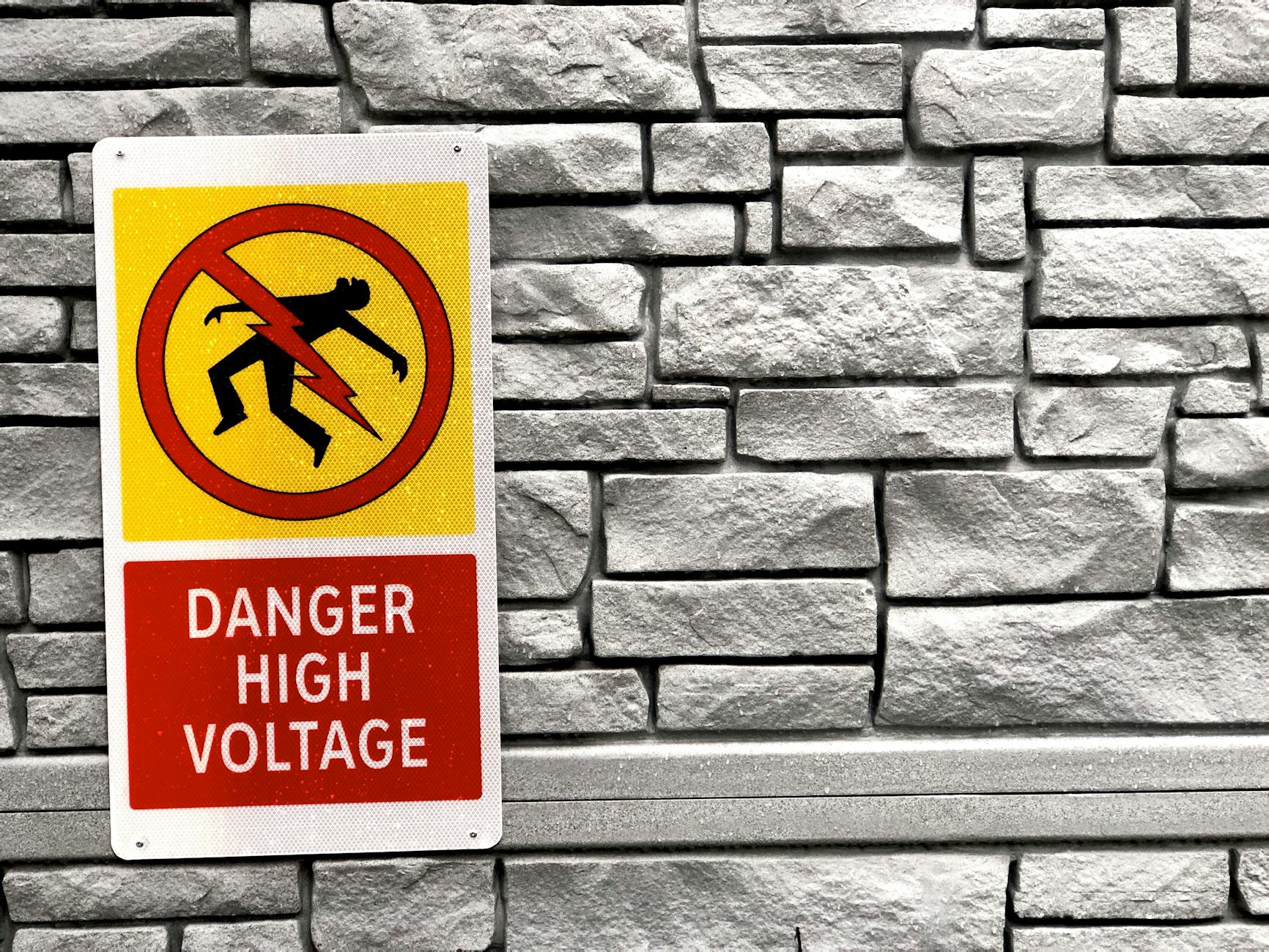
When it comes to chemical handling areas, safety signage isn’t just a box to tick — it’s a critical line of defence between workers and serious injury. Branded safety shower signs for chemical handling areas are a specialised but often overlooked component of a comprehensive workplace safety programme. Whether you’re managing a laboratory in Sydney, a manufacturing facility in Adelaide, or an agricultural operation in regional Queensland, ensuring that emergency eyewash stations and safety showers are clearly marked, instantly recognisable, and compliant with Australian standards is non-negotiable. This guide walks you through everything you need to know about sourcing, specifying, and implementing branded safety shower signage in your workplace — including decoration options, material choices, compliance considerations, and how to align your signage with broader workplace branding initiatives.
Why Branded Safety Shower Signs Matter in Chemical Handling Environments
It might seem counterintuitive to talk about “branding” in the context of emergency safety equipment. After all, surely the function of a safety shower sign is purely utilitarian? In practice, however, branded safety shower signs serve a dual purpose. Yes, they must perform a critical safety function — directing workers to emergency decontamination facilities as quickly as possible in the event of a chemical spill or splash. But they can also reflect your organisation’s commitment to professional, consistent safety culture.
Workplaces that invest in high-quality, clearly branded safety signage communicate something important to employees, contractors, and visitors alike: that safety is taken seriously here. A site where every sign is cohesive, well-maintained, and clearly legible reinforces a culture of diligence. This matters beyond aesthetics — research consistently links visual safety culture with actual safety outcomes. Much like how workplace branded merchandise impacts employee engagement, cohesive safety signage reinforces your organisation’s values at every touchpoint.
In chemical handling areas specifically, the stakes are high. Corrosive chemicals, solvents, and hazardous materials can cause severe burns, eye damage, or respiratory harm within seconds of exposure. Workers need to locate emergency showers and eyewash stations instantly — which means signage must be unmistakable, positioned correctly, and visible even in low-light or emergency conditions.
Australian Compliance Standards for Chemical Area Safety Signage
Before diving into branding options, it’s essential to understand the regulatory framework that governs safety signage in Australian workplaces. Safety signs in Australia are primarily governed by AS 1319:1994 — Safety Signs for the Occupational Environment, which sets out requirements for the design, colour coding, and placement of safety signs.
Safety shower and eyewash signage typically falls under the category of emergency information signs, which use a green background with white symbols and text. This colour coding is internationally recognised and mandated under Australian standards, meaning your branded signage must work within these parameters — you cannot simply replace the standard green with your corporate colour palette.
What Compliance Means for Branded Signage
The good news is that there is still significant scope for customisation within these compliance requirements. You can:
- Add your company name or logo to the sign, provided it does not obscure or diminish the primary safety message
- Include directional arrows or facility-specific location identifiers (e.g., “Building C — Lab 4”) that help staff navigate large facilities
- Customise the substrate material to suit your environment, choosing from rigid PVC, aluminium, stainless steel, or photoluminescent materials for low-light situations
- Specify text in multiple languages where your workforce includes workers whose first language is not English — particularly relevant in diverse manufacturing hubs in Western Australia and Victoria
Your safety signage supplier should be able to provide compliance documentation confirming that finished signs meet AS 1319:1994 requirements. Always request this before placing a bulk order.
Materials and Decoration Methods for Chemical-Resistant Signage
Chemical handling environments are harsh. Signage in these areas must withstand exposure to corrosive fumes, cleaning agents, and potentially direct chemical splash. This makes material selection critically important.
Recommended Substrate Materials
Aluminium is the most popular choice for industrial safety signage in Australian facilities. It’s lightweight, corrosion-resistant, and accepts digital printing or screen printing cleanly. Aluminium signs with UV-stable inks can last 10 years or more in demanding environments.
Rigid PVC (typically 3mm or 5mm thick) offers a cost-effective alternative for indoor chemical handling areas such as laboratories and educational settings. It’s easy to clean and resists most common chemicals, though it may degrade with prolonged exposure to certain solvents.
Stainless steel is the premium choice for pharmaceutical manufacturing, food processing, and high-specification laboratory environments. It’s highly resistant to corrosion and easy to decontaminate, making it ideal for cleanroom or sterile area applications.
Photoluminescent substrates are worth considering for areas where power outages are a risk or where lighting is limited. These signs “charge” under ambient light and glow in the dark, ensuring visibility during emergencies. They pair well with directional wayfinding in large facilities.
Decoration Methods
For chemical area safety signage, digital printing with UV-stable, chemical-resistant inks is the most widely used decoration method. It offers excellent colour accuracy (important for meeting the AS 1319 green standards), handles detailed logos cleanly, and is cost-effective across a range of order quantities.
Screen printing is another strong option for high-volume orders — typically 50 signs or more — where colour consistency and durability are paramount. If you’re unfamiliar with how different decoration methods compare for industrial applications, our guide to choosing laser engraving for promotional products covers the core principles of matching decoration method to product type and environment.
Laser engraving on metal substrates produces a permanent, highly durable result — ideal for environments where printed inks may degrade. The trade-off is that engraved signs are monochromatic, which can make colour-coded safety categories harder to communicate. Laser engraving works best as a secondary branding element (such as adding your facility name) rather than the primary sign decoration.
Ordering Branded Safety Shower Signs: Practical Considerations
Minimum Order Quantities and Turnaround Times
For custom-printed safety signage, most Australian suppliers work with minimum order quantities (MOQs) of around 10–20 units for digitally printed aluminium or PVC signs, rising to 50+ units for screen-printed runs. If you’re fitting out a single facility, smaller MOQs are typically manageable. Large organisations rolling out signage across multiple sites — say, a national chemical manufacturer with plants in Brisbane, Perth, and Melbourne — will benefit from economies of scale with larger runs.
Standard turnaround for custom safety signage is typically 7–15 business days from artwork approval, though rush options are often available. Given the safety-critical nature of these signs, always build lead time into your project planning rather than ordering under pressure.
Artwork Requirements
Custom safety signage requires print-ready artwork files, typically supplied as vector files (AI, EPS, or PDF) for logos and branding elements. Your supplier will provide a proof for approval before production begins — always review this carefully, checking that the safety symbol, wording, and directional information are 100% accurate. Errors on safety signage can have serious consequences, so the proof approval process is not a step to rush.
Budgeting for Safety Signage
Branded safety shower signs represent excellent value relative to the risk they mitigate. Digitally printed aluminium signs in standard sizes (A4 or 300mm x 450mm) typically range from $15 to $50 per unit depending on quantity, substrate, and complexity. Photoluminescent or stainless-steel options command a premium. When budgeting, factor in fixings (screws, standoffs, adhesive backing) and installation alongside unit costs.
Integrating Safety Signage into Broader Workplace Safety and Branding Programmes
Safety shower signage rarely exists in isolation. A well-run chemical handling area will have a full suite of safety signs covering hazardous substances storage, PPE requirements, spill response procedures, and emergency exits. Sourcing all of this signage from a single supplier ensures visual consistency — consistent fonts, layouts, and branding elements — which reinforces a professional safety culture.
Think about how your safety signage programme connects with other elements of your workplace safety and wellbeing investment. Organisations that take a holistic approach might combine safety signage with custom-made workwear including hi-vis garments and chemical-resistant PPE, as well as staff wellness initiatives. For teams in high-stress chemical handling roles, even small touches — like branded wellness journals for your pharmaceutical team — can contribute to a culture where people feel looked after.
It’s also worth considering how your signage programme aligns with sustainability goals. Carbon-neutral promotional items and eco-conscious branded products are increasingly mainstream, and some signage suppliers now offer recycled aluminium substrates or water-based inks as part of their environmental offering.
Signage for Educational and Research Institutions
Schools, universities, and TAFE campuses with science laboratories are an important audience for chemical area safety signage. For an institution like a Brisbane secondary school with a chemistry lab, or a Perth university research facility handling industrial solvents, the same compliance requirements apply as for commercial workplaces. Branded signage that incorporates the institution’s name or logo helps reinforce ownership of the safety environment while maintaining full compliance.
Educational institutions often have multiple procurement needs — from safety signage to custom key lanyards for staff and students — and working with a supplier who can handle a range of branded products across departments simplifies procurement considerably.
Hand Washing and Hygiene Signage: A Related Category
If your safety signage review extends beyond chemical shower signs, it’s worth considering related hygiene and safety signage for adjacent areas. Promotional branded hand washing reminder signs for food service and hospitality follow similar principles of material selection and compliance, and can often be ordered as part of the same signage programme.
Key Takeaways
Branded safety shower signs for chemical handling areas sit at the intersection of regulatory compliance, practical safety management, and workplace culture. Getting them right protects your people, demonstrates your commitment to safety, and contributes to a cohesive, professional site environment.
- Compliance comes first: All safety shower signage must meet AS 1319:1994 requirements. Branding should enhance, not compromise, the clarity and function of the sign.
- Material selection matters: Choose aluminium, rigid PVC, stainless steel, or photoluminescent substrates based on your specific environment and exposure risks.
- Digital printing is the most versatile decoration method: UV-stable, chemical-resistant inks on aluminium provide a durable, cost-effective solution for most Australian workplaces.
- Plan ahead: Standard turnaround is 7–15 business days from artwork approval. Always allow lead time for proof review and compliance checking.
- Think holistically: Integrate your safety signage programme with broader workplace safety, workwear, and wellness initiatives to build a genuinely strong safety culture — not just a compliant one.