
Work Shirts Personalised: The Complete Guide for Australian Businesses and Schools
Discover how to order personalised work shirts in Australia — decoration methods, MOQs, budgeting tips, and product choices for businesses and schools.

Written by
Riley Monk
Custom Apparel
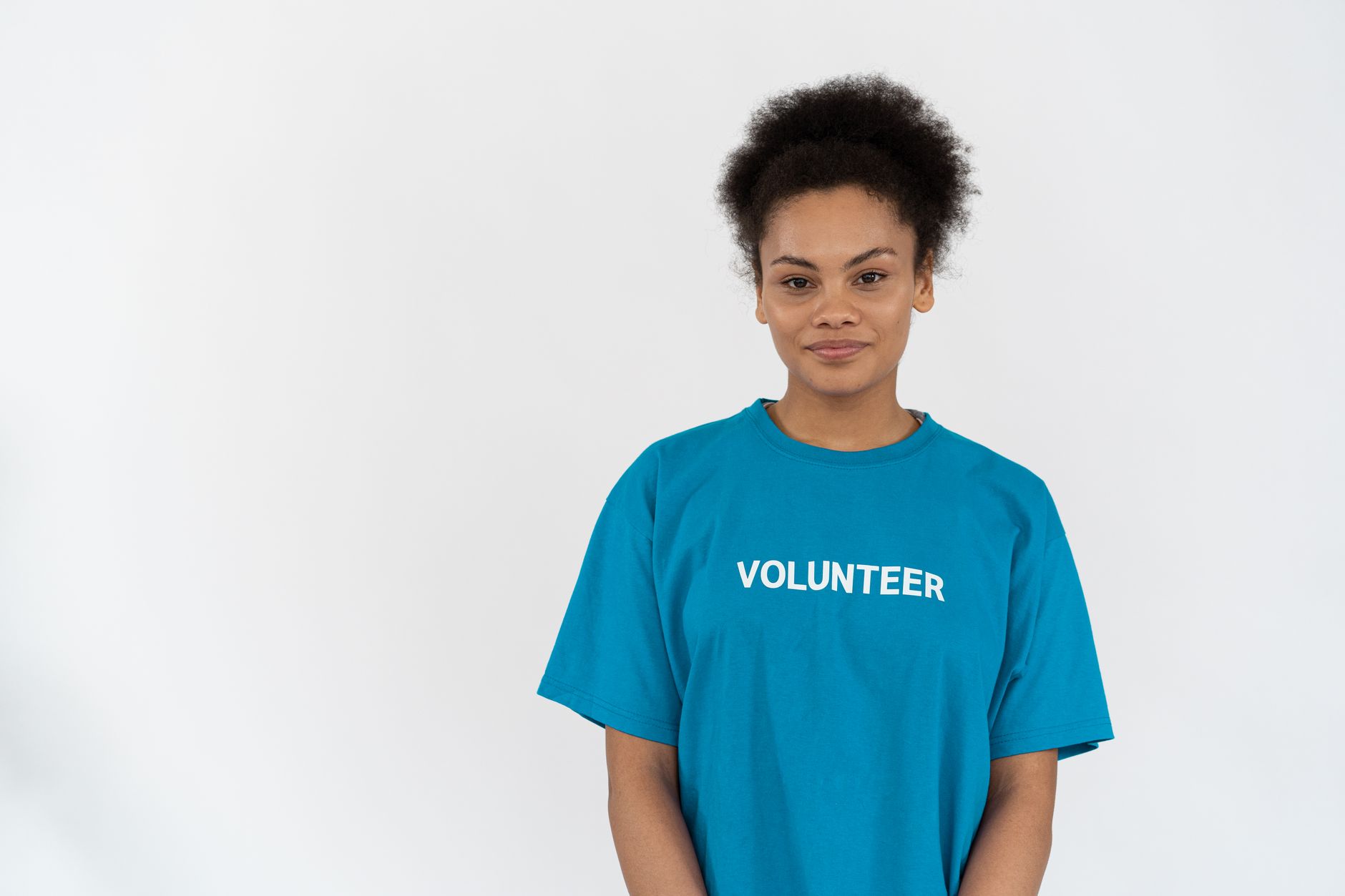
Whether you’re kitting out a sales team in Sydney, outfitting staff at a Gold Coast hospitality venue, or preparing uniforms for a Canberra government department, personalised work shirts are one of the most practical and high-visibility branding investments you can make. A well-decorated work shirt does far more than cover someone’s back — it communicates professionalism, builds team cohesion, and turns every staff member into a walking brand ambassador. Yet despite how common they are, many organisations get tripped up by the same avoidable mistakes: choosing the wrong fabric, underestimating lead times, or selecting a decoration method that doesn’t suit the application. This guide covers everything you need to know about ordering work shirts personalised for your organisation in 2026.
Why Personalised Work Shirts Are a Smart Investment
The case for branded workwear is compelling — and it goes well beyond aesthetics. Research consistently shows that employees who wear branded uniforms feel a stronger sense of belonging and pride in their workplace. There’s a reason why organisations across every industry, from retail and hospitality to healthcare and construction, invest in custom work shirts year after year.
For businesses, personalised work shirts eliminate the guesswork of “smart casual” dress codes and present a unified, credible image to customers and clients. A Brisbane property management agency with staff wearing matching branded polos projects far more professionalism than a team dressed inconsistently. For schools, custom staff shirts help parents quickly identify teachers and administration staff during busy periods like orientation days or school sports carnivals.
If you’re interested in the broader value of branded workwear and its connection to staff morale, our deep-dive on workplace branded merchandise and its impact on employee engagement is well worth reading before you place your first order.
Choosing the Right Shirt Style for Your Workplace
Not all work shirts are created equal, and the style you choose should reflect your workplace culture, the physical demands of the role, and your brand identity.
Polo Shirts
Polo shirts are the most popular choice for personalised workwear across Australia. They strike the right balance between smart and practical, making them suitable for trade businesses, retail environments, hospitality staff, and corporate teams that spend time on-site. Look for moisture-wicking polyester blends if your team is active outdoors — particularly relevant for Perth construction firms or Darwin outdoor tourism operators where heat and humidity are constant factors.
Button-Up Corporate Shirts
For professional service environments — think financial services firms in Melbourne’s CBD, or government departments in Adelaide — a fitted button-up work shirt conveys authority and polish. These typically come in cotton or cotton-poly blends and are well-suited to embroidery or subtle chest embroidery of a logo.
Hi-Vis Work Shirts
Industries governed by workplace safety regulations — including construction, mining, warehousing, and utilities — require compliant hi-vis workwear. These shirts come in the standard orange and yellow colourways required under Australian Standards (AS/NZS 4602.1) and can still be personalised with your company name, logo, or employee details.
T-Shirts and Casual Tees
Casual branded t-shirts work well for schools, community organisations, sporting clubs, and events. They’re typically the most affordable entry point into personalised workwear. If you’re exploring this category further, our guide to sublimation on custom t-shirts in Australia covers one of the most vibrant and durable decoration options available.
Decoration Methods for Work Shirts Personalised
Choosing the right decoration method is just as important as choosing the right shirt. Each technique has its strengths depending on garment type, artwork complexity, colour requirements, and order quantities.
Embroidery
Embroidery is the premium choice for corporate and professional environments. It gives logos a textured, high-quality finish that holds up exceptionally well through repeated washing cycles. It’s ideal for polo shirts and corporate button-ups, and works particularly well for chest logo placement or left-breast branding. The primary limitation is complexity — extremely fine details and gradient artwork don’t translate well to thread.
Embroidery typically involves a one-time digitisation fee (usually $40–$80 depending on stitch count), after which the file can be reused for future orders. Minimum order quantities for embroidered shirts generally start from as low as 6–12 units with most Australian decorators.
Screen Printing
Screen printing delivers bold, vibrant results at a cost-effective price point, especially for larger runs. It’s the go-to method for t-shirts, casual polos, and event shirts where large print areas and strong colours are the priority. Setup costs apply per colour, so designs with fewer colours are more economical. Order volumes of 50 units and above typically see the price per unit drop significantly.
Heat Transfer and Digital Printing
Heat transfer vinyl and direct-to-garment (DTG) digital printing are excellent for short runs or designs with photographic complexity. DTG in particular allows full-colour artwork with no setup fees, making it ideal for small orders (sometimes as low as 1–5 units) or personalised shirts where individual names and numbers are needed — common for school staff shirts or personalised team uniforms.
Pad Printing and Laser Engraving
While these methods are more commonly associated with hard goods, they’re occasionally referenced when organisations are bundling shirt orders with other branded items. If you’re also ordering accessories as part of a broader merchandise package, our posts on promotional keyrings in Melbourne and promotional USB drives in Perth can help you round out the order.
Planning Your Order: Quantities, Timelines, and Budgets
Minimum Order Quantities (MOQs)
One of the most common questions from first-time buyers is how many shirts they need to order. The honest answer: it depends on your decoration method and supplier. As a general guide:
- Embroidery: 6–12 units minimum
- Screen printing: 24–50 units for cost-effectiveness (though some decorators will print as few as 12)
- DTG/heat transfer: 1–24 units
- Sublimation: Usually 12–25 units, depending on the design
Smaller organisations, schools, or community groups with modest budgets can often access lower minimums through digital decoration methods, even if the cost per unit is slightly higher.
Turnaround Times
Standard production times in Australia typically run 10–15 business days after artwork approval. Rush orders are possible (often at a premium) and can sometimes be fulfilled in 5–7 business days. If you’re ordering for a specific event — an end-of-year work function, a school orientation week, or a trade show — always build in buffer time and aim to finalise your artwork at least three to four weeks before the deadline.
Budgeting Guidance
For reference, here are approximate price ranges for personalised work shirts in Australia (excluding GST, based on mid-range garment quality):
- Basic polo, screen printed, 50+ units: $18–$28 per shirt
- Corporate polo, embroidered, 24 units: $30–$45 per shirt
- Hi-vis work shirt, embroidered, 20 units: $35–$55 per shirt
- DTG t-shirt, small run (12 units): $25–$40 per shirt
Prices vary depending on garment brand, number of decoration locations, and supplier. Always request a formal quote with a digital proof before committing.
Tips for Getting the Best Results From Your Personalised Shirt Order
Supply Artwork in the Correct Format
For screen printing and embroidery, vector files (AI, EPS, or high-resolution PDF) are strongly preferred. Low-resolution JPEGs from websites or social media are rarely suitable and can cause delays. Ask your graphic designer to supply vector formats upfront, and you’ll save considerable back-and-forth.
Order a Pre-Production Sample
For orders above $1,000 in value — or where colour matching is critical — request a pre-production sample or strike-off before full production proceeds. This is especially important if you’re matching brand colours precisely using PMS codes.
Plan for Sizing Diversity
Australian workplaces are diverse. Make sure your size breakdown accounts for the full range of your team. Request a size chart from your supplier and survey staff before placing the final order. It’s usually better to order one or two extra units in commonly requested sizes (M, L, XL) than to be caught short.
Bundle Orders with Other Branded Products
If you’re already investing in personalised shirts, consider consolidating your branded merchandise into a single order. This simplifies logistics and can improve overall pricing. You might pair shirts with branded promotional notebooks, personalised sports bags, or a set of women’s branded tote bags for a cohesive welcome pack or staff gifting bundle.
For events and seminars specifically, our resource on promotional giveaways for seminars in Australia has plenty of complementary product ideas to go alongside custom work shirts.
Work Shirts Personalised Across Different Sectors
Different industries use personalised work shirts in distinctly different ways:
- Hospitality and retail: Polos and t-shirts with screen-printed front or back logos; often ordering seasonally as staff turnover requires top-ups
- Schools and education: Staff polo shirts with embroidered school crest; increasingly popular for school sports carnivals and excursions
- Government and councils: Classic button-up corporate shirts with embroidered agency name and logo; often required to meet internal branding standards
- Construction and trades: Hi-vis work shirts with company name, ABN, and sometimes individual employee names; compliance is paramount
- Healthcare: Smart-casual polos or scrub-style shirts with organisation name and department printed or embroidered
If your organisation operates in a regional or island context with unique logistics considerations, our guide to promotional products for businesses on Kangaroo Island illustrates how remote and regional operators can navigate the ordering process effectively.
Conclusion: Key Takeaways for Ordering Work Shirts Personalised
Personalised work shirts are a high-value, practical branding tool suitable for organisations of all sizes across Australia. Done well, they strengthen team identity, enhance professionalism, and deliver long-lasting brand impressions with every interaction. Here’s a summary of the most important things to keep in mind:
- Match the shirt style to your workplace needs — polo shirts for active or casual environments, corporate button-ups for professional settings, hi-vis for compliant trade and industrial use
- Choose decoration based on your artwork and order size — embroidery for premium longevity, screen printing for bold, large-run results, DTG for short runs or complex artwork
- Plan timelines carefully — allow 3–4 weeks from artwork finalisation to delivery, especially for orders tied to specific events or dates
- Prepare your artwork correctly — vector files save time and ensure quality; always approve a digital proof before production begins
- Bundle with complementary merchandise where possible to simplify ordering, consolidate shipping, and create a more impactful branded experience for staff or recipients
With the right preparation and a clear brief, ordering personalised work shirts in Australia is a straightforward process that delivers returns well beyond the initial investment.