
Pulse Charger Price Guide: What Australian Organisations Should Budget For
Discover what affects pulse charger pricing for branded promotional products and how Australian businesses and schools can budget smart.

Written by
Sanjay Bhatia
Tech & Electronics
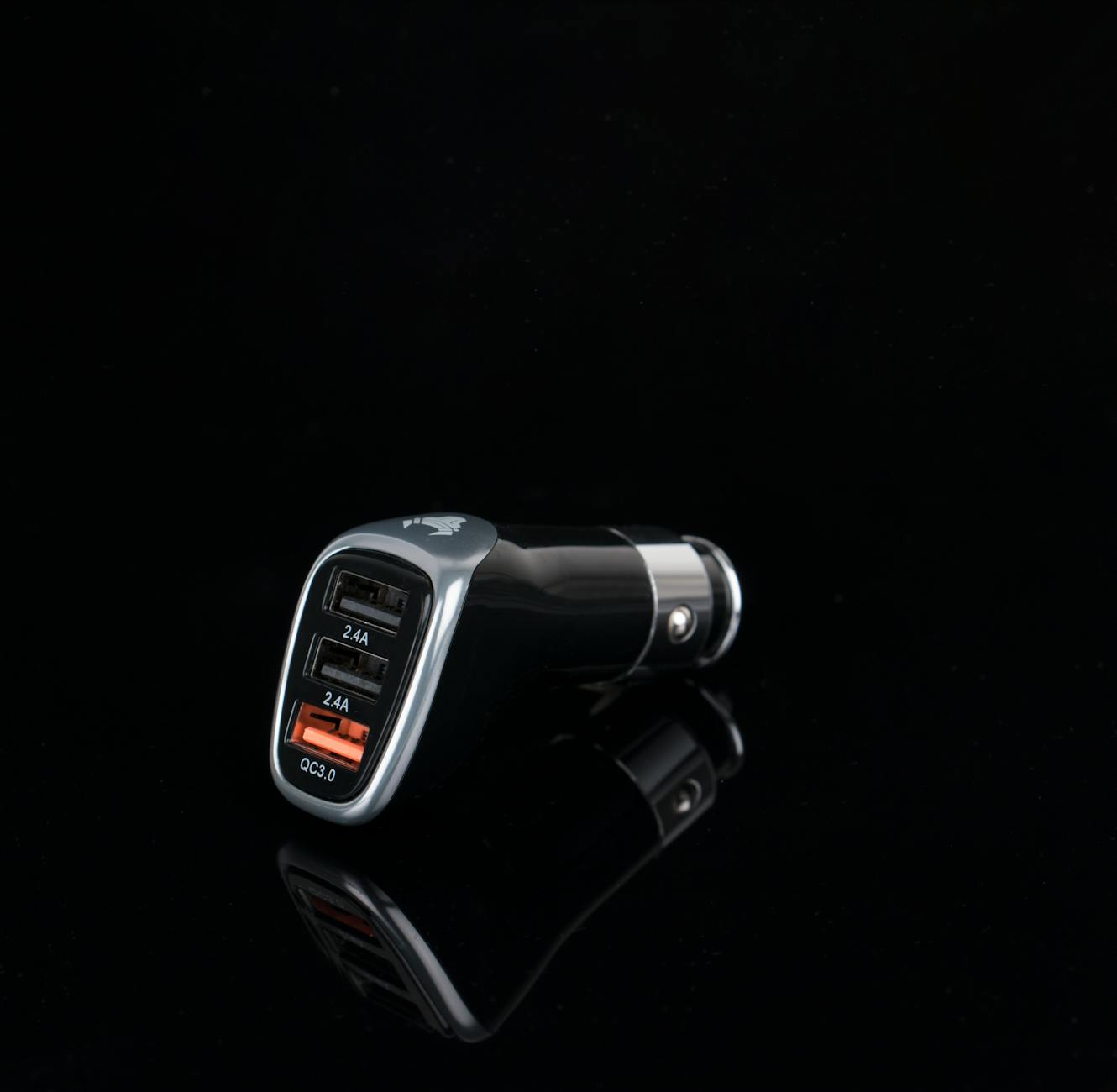
Branded tech products have become one of the most sought-after categories in promotional merchandise — and pulse chargers sit right at the top of that list. Whether you’re planning a corporate conference in Sydney, outfitting a university orientation in Melbourne, or rewarding staff across a Brisbane organisation, understanding pulse charger price points is essential before you commit to an order. These compact, versatile charging devices carry real perceived value, which makes them powerful branding tools — but pricing can vary enormously depending on specifications, customisation options, and order volume. This guide breaks down everything you need to know to budget confidently and make a smart purchasing decision.
What Is a Pulse Charger and Why Is It Popular in Promotional Merchandise?
Before diving into pricing, it’s worth understanding exactly what we’re talking about. A pulse charger — often used interchangeably with “power bank” — is a portable device that stores electrical energy and can charge smartphones, tablets, earbuds, and other USB-powered devices on the go. The term “pulse charger” typically refers to models that deliver regulated, efficient power output, helping to extend battery life in the devices being charged.
In the promotional products world, these items have become favourites for a very good reason: almost everyone has a smartphone, and almost everyone has experienced the frustration of a dying battery at the wrong moment. When a brand helps solve that problem, it creates a genuinely positive association.
For corporate events and trade shows — think the kinds of expos regularly held at Melbourne Convention and Exhibition Centre or the Brisbane Convention & Exhibition Centre — pulse chargers are consistently among the most appreciated giveaways. Attendees use them immediately, and your logo gets repeated exposure throughout the event and long after it ends.
Schools and universities have also embraced branded power banks as end-of-year gifts, orientation packs, and alumni merchandise. A Perth university handing out co-branded pulse chargers during O-Week, for example, ensures its branding travels into lecture theatres, libraries, and beyond.
Key Factors That Influence Pulse Charger Price
Understanding pulse charger price requires looking at several interconnected variables. No two orders are identical, and pricing reflects a range of technical and commercial decisions.
Battery Capacity (mAh Rating)
This is the single biggest driver of cost. Pulse charger capacity is measured in milliamp-hours (mAh), and higher capacity means more charge stored — and a higher unit price.
- 2,000–4,000 mAh: Entry-level options, suitable for a single smartphone charge. These are the most budget-friendly and suit high-volume giveaways.
- 5,000–8,000 mAh: Mid-range capacity, popular for corporate gifts where perceived quality matters.
- 10,000 mAh and above: Premium options capable of charging multiple devices. These are ideal for valued clients, VIP gift packs, or executive-level gifting.
As a general guide, Australian organisations can expect to pay roughly $8–$18 per unit for entry-level models in reasonable quantities, $18–$35 for mid-range options, and $35–$80 or more for high-capacity premium models. These figures fluctuate based on the other factors listed below.
Output Ports and Charging Speed
Basic pulse chargers come with a single USB-A output. More advanced models include multiple USB-A ports, USB-C ports, wireless charging pads, and fast-charging technology such as Quick Charge or PD (Power Delivery). Each additional feature adds cost but also increases the product’s appeal and daily utility — which translates to greater brand exposure.
Branding and Decoration Method
How your logo is applied will affect the final price per unit. Common decoration methods for pulse chargers include:
- Pad printing: The most affordable option, suitable for flat surfaces and simple logos. Typically included in base pricing.
- Laser engraving: Creates a premium finish, especially on metal-bodied chargers. Adds a modest per-unit cost but significantly elevates perceived quality.
- Full-colour digital printing: Ideal for complex designs or photographic artwork. Suits organisations with detailed logos or multi-colour branding requirements.
Setup fees are often charged separately — typically $40–$80 per colour or position — though some suppliers waive these for larger orders. If you’re new to ordering branded tech, our guide to understanding setup fees and artwork requirements is worth reading before you finalise any quote.
Minimum Order Quantities
Most pulse charger suppliers in Australia have minimum order quantities (MOQs) ranging from 25 to 100 units for standard models. Lower MOQs often come with a higher per-unit price, while committing to larger quantities (250 units or more) typically unlocks meaningful bulk discounts. If your order volume is flexible, it’s worth modelling out a few quantity tiers before committing — the savings can be substantial.
Turnaround Time
Standard production and delivery from order confirmation typically takes 10–15 business days for branded pulse chargers. Rush orders are possible but come at a premium — often an additional 15–25% on top of the base price. If you’re ordering for a specific event date in Adelaide, Canberra, or anywhere else, factor in shipping time and build in a comfortable buffer. Our event merchandise planning timeline guide can help you map this out.
Pulse Charger Price by Sector: What Different Organisations Typically Spend
Budgeting looks different depending on your organisation type and the purpose of the merchandise. Here’s a practical breakdown.
Corporate Businesses
Corporate buyers typically prioritise perceived quality over raw volume. A Sydney financial services firm ordering 150 branded pulse chargers for a client appreciation event might budget $30–$45 per unit for a sleek 8,000 mAh model with laser-engraved branding. The premium finish signals professionalism and ensures the product won’t end up in a desk drawer.
For trade show giveaways where volume matters more than luxury, the same firm might pivot to a 4,000 mAh pad-printed model at $12–$18 per unit, ordered in quantities of 500+. If you’re putting together a full suite of branded tech for a conference, our corporate conference merchandise checklist covers complementary product choices worth considering alongside pulse chargers.
Schools and Educational Institutions
School budgets are typically tighter, but the demand for tech merchandise — particularly among secondary schools, TAFEs, and universities — is growing. A Gold Coast secondary school running a Year 12 graduation gift programme might look at compact 3,000 mAh models in the $10–$15 per unit range. Universities and TAFEs with larger budgets often step up to mid-range models to reflect the quality of their brand. For more ideas on branded merchandise for educational settings, take a look at our school and university merchandise guide.
Events and Conferences
Event organisers work to tight budgets with often large attendee numbers. For a conference with 400 delegates, a well-priced pulse charger at $14–$20 per unit can be worked into the registration pack budget. Choosing a model with a built-in cable reduces the need for separate accessories and adds convenience — a detail delegates genuinely appreciate. See our guide to promotional products for trade shows and expos for broader context on tech merchandise at events.
How to Get the Best Value When Ordering Branded Pulse Chargers
Understanding pulse charger price is one thing — getting genuinely good value is another. Here are some practical strategies.
Request Samples Before Committing
Always request a physical sample of the product before placing a large order. This lets you assess build quality, port quality, battery performance, and how the branding looks in person. Most reputable Australian suppliers can provide pre-production samples, though sample fees may apply and are sometimes credited against your final order.
Compare Like for Like
When requesting quotes, ensure you’re comparing identical specifications — same mAh rating, same decoration method, same number of colours. A quote that looks cheaper on the surface may use a lower-capacity battery or pad printing where you expected laser engraving.
Bundle with Complementary Products
Ordering pulse chargers alongside other branded tech items — such as custom USB drives, wireless earbuds, or branded cable organisers — can sometimes unlock better pricing through combined order value. It also creates a more cohesive gifting experience. Our branded tech accessories overview covers the full range of options worth exploring.
Consider Eco-Friendly Alternatives
There’s growing demand across Australia — particularly in Melbourne, Canberra, and among government departments — for sustainable tech merchandise. Some pulse charger models use recycled plastics or feature solar charging panels, and these can be positioned as a premium, values-aligned choice. Pricing for eco-friendly variants typically sits 10–20% above comparable standard models. For more on this trend, check out our eco-friendly promotional products guide.
Work With Your Supplier on Artwork
Providing correctly formatted artwork upfront — typically vector files (AI, EPS, or PDF) with outlined fonts and PMS colours specified — avoids delays and additional artwork fees. Many first-time buyers lose time and money in the artwork revision stage. Our artwork submission guide for promotional products walks through exactly what to prepare.
Understanding Additional Costs Beyond the Unit Price
The per-unit price is just part of the total cost picture. When budgeting for pulse chargers, factor in:
- Setup/origination fees: Typically $40–$80 per colour or branding position
- Freight and delivery: Varies by location and urgency; Darwin and regional areas may attract higher freight costs
- Sample fees: Usually $15–$40, often credited back
- GST: Ensure all quotes are GST-inclusive or clearly marked exclusive so you’re comparing apples with apples
- Storage or fulfilment: If you’re staging merchandise for a large event, check whether your supplier offers warehousing or direct-to-venue delivery
For a comprehensive look at how to build out a full budget for a branded merchandise project, our promotional merchandise budgeting guide for organisations is an excellent starting point.
Conclusion: Key Takeaways on Pulse Charger Price for Australian Organisations
Getting your pulse charger pricing right comes down to understanding the product specifications, matching them to your audience’s expectations, and planning your order well in advance. Here’s a quick summary of the most important points to carry forward:
- Battery capacity is the primary cost driver — match the mAh rating to your audience and budget, not just the lowest price point
- Decoration method matters — laser engraving elevates perceived quality, while pad printing suits high-volume, budget-conscious orders
- MOQs and bulk pricing tiers significantly affect your per-unit cost — modelling different quantity options before ordering is always worthwhile
- Total project cost includes setup fees, freight, GST, and potentially sample fees — never budget on unit price alone
- Plan for lead times — allow at least three weeks from order confirmation to delivery, and more for rush or remote locations across Australia
Whether you’re a corporate buyer in Melbourne, a school coordinator in Adelaide, or an events team in Brisbane, investing time in understanding pulse charger price before you order will ensure your branded tech merchandise delivers strong value — both for your budget and your brand.