How to Choose the Right Promotional Products Supplier for Your Organisation
Discover how to find a reliable promotional products supplier in Australia — tips on quality, pricing, turnaround times, and more.
Written by
Sanjay Bhatia
Tech & Electronics
Choosing the right promotional products supplier can make or break your next branded merchandise campaign. Whether you’re a Sydney-based corporate team gearing up for a major conference, a Brisbane primary school planning its annual sports carnival, or a Melbourne not-for-profit looking to stretch a tight budget across a fundraising run, the supplier you partner with will directly shape the quality of your products, the smoothness of the process, and the impression your brand makes in the world. With so many options available across Australia, knowing what to look for — and what to avoid — is genuinely valuable knowledge.
What Does a Promotional Products Supplier Actually Do?
Before diving into selection criteria, it helps to understand exactly what a promotional products supplier offers. At its core, a supplier sources, decorates, and fulfils branded merchandise on behalf of organisations. This includes everything from custom apparel and drinkware to tech accessories, bags, stationery, and eco-friendly items.
A full-service supplier typically handles:
- Product sourcing — accessing a broad catalogue of items at wholesale pricing
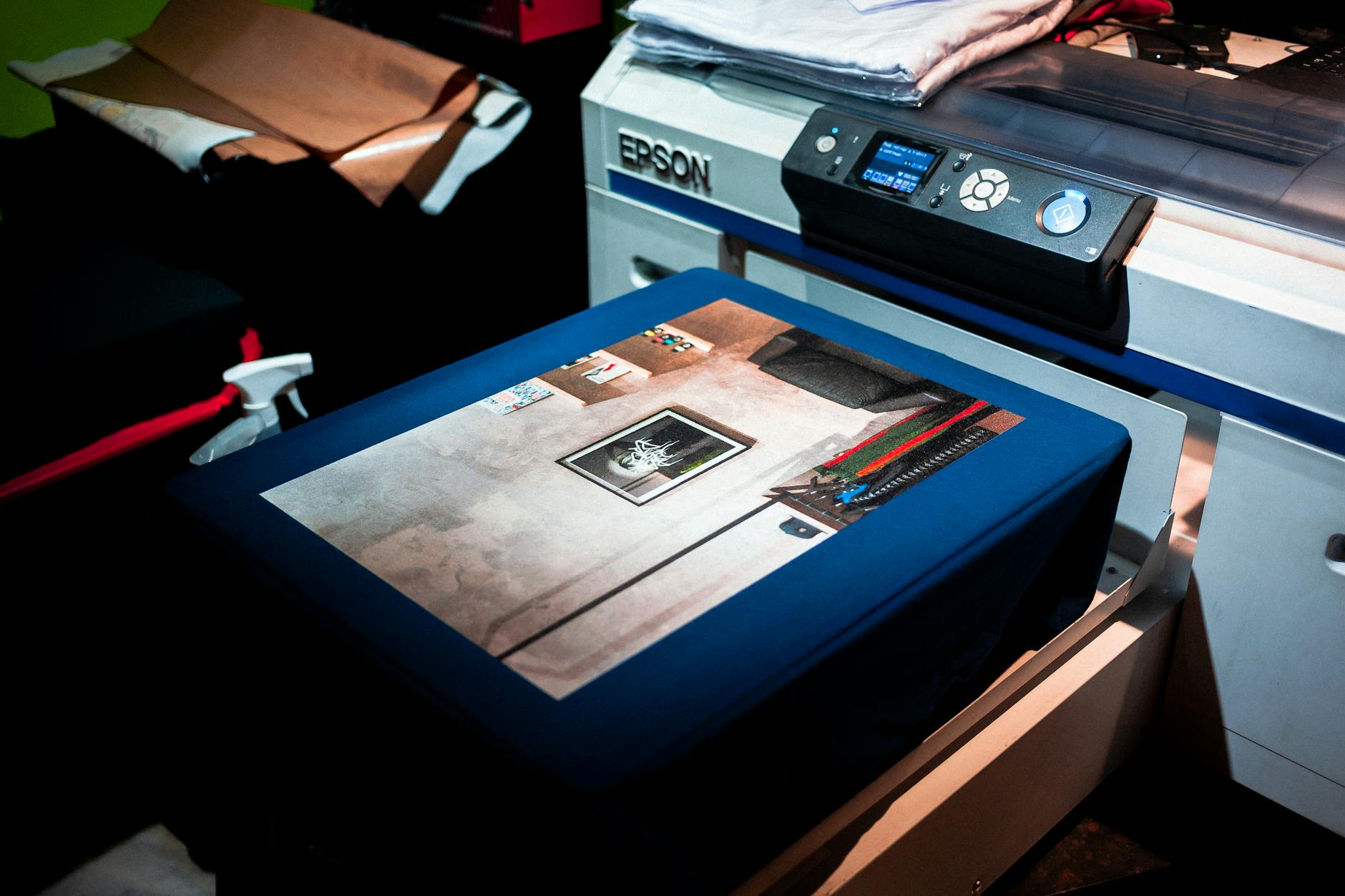
- Artwork and decoration — applying your logo or design via screen printing, embroidery, sublimation, laser engraving, pad printing, or heat transfer
- Proofing and approvals — providing digital or physical mockups before production begins
- Quality control — checking finished goods before dispatch
- Fulfilment and delivery — shipping to your location or directly to multiple addresses
Some suppliers specialise in particular product categories — for example, focusing solely on custom corporate uniforms and workwear or drinkware like personalised travel mugs. Others offer a broad catalogue spanning hundreds of product types. Understanding what your project needs will help you decide which type of supplier is the right fit.
Key Factors to Evaluate When Choosing a Promotional Products Supplier
Not all suppliers are created equal. Here are the most important criteria to assess before committing to a partnership.
1. Product Range and Catalogue Depth
The breadth of a supplier’s catalogue matters enormously, especially if you’re sourcing multiple items at once. A school ordering for a sports day might need personalised sports bags, custom t-shirts, and branded water bottles simultaneously. A corporate client attending a trade show might need everything from branded tote bags for women to PVC clear event bags and USB chargers.
Ideally, your supplier should be able to handle all of these in a single order, saving you the complexity of managing multiple vendors with different timelines and communication styles.
2. Decoration Quality and Methods Available
The decoration method used on your products will significantly affect the end result. Embroidery suits structured garments like polos and caps. Screen printing is excellent for large-run flat items like tote bags and t-shirts. Sublimation delivers vivid full-colour results on polyester items — if you’re curious about how this works, our guide to sublimation on custom t-shirts in Australia breaks it down thoroughly. Laser engraving is ideal for corporate gifts and drinkware.
Ask prospective suppliers which methods they offer in-house versus what they outsource. In-house capabilities generally mean faster turnaround, tighter quality control, and fewer communication breakdowns. Always request decorated samples before committing to a large order if you haven’t worked with that supplier before.
3. Minimum Order Quantities (MOQs)
MOQs vary widely across the industry. Some suppliers will produce as few as 10–25 units for simple items like branded pens or lanyards. Others require 50, 100, or even 250+ units before production begins. This is particularly relevant for smaller organisations — a Darwin community sporting club ordering personalised trucker caps for their roster of 30 players needs a supplier who can accommodate that volume without penalising them on unit price.
Make sure you’re clear on MOQs from the outset. Surprises here can derail your budget planning quickly.
4. Turnaround Times and Rush Options
Turnaround time is one of the most overlooked — and most important — considerations when selecting a promotional products supplier. Standard production for most items runs between five and fifteen business days after artwork approval. Rush options (often two to five business days) are available from some suppliers but typically attract a premium.
For time-sensitive campaigns like end-of-financial-year events, school graduations, or conference giveaways, confirming realistic lead times upfront is essential. Factor in shipping time, particularly if you’re in a regional area or ordering from a supplier located interstate.
5. Artwork Requirements and Support
Not every client has a design team on hand. A good supplier will offer basic artwork support — resizing logos, converting files to print-ready formats, or flagging resolution issues before they affect the final product. Find out whether artwork support is included or billed separately, and what file formats they require (most will ask for AI, EPS, or high-resolution PDF files).
6. Transparent Pricing and Setup Fees
Setup fees (also called screen fees or origination fees) are a standard part of most decorated merchandise orders. These typically range from $30 to $100 per colour or location, depending on the decoration method. Some suppliers waive these on reorders, which is worth asking about if you anticipate placing repeat orders.
Request an itemised quote that clearly outlines product cost per unit, setup fees, freight, and GST. Be cautious of suppliers who are vague on pricing or who add unexpected charges at the invoicing stage.
7. Sustainability Credentials
Eco-conscious sourcing is increasingly important to Australian businesses, schools, and government departments. If environmental responsibility is a priority for your organisation, look for suppliers who offer genuinely sustainable options — not just products with green packaging, but items made from recycled materials, bamboo, organic cotton, or certified sustainable sources.
Our overview of reusable branded merchandise in Australia is a helpful starting point if you’re exploring this space. Popular eco choices include recycled paper shopping bags and reusable iced coffee cups — both of which tend to resonate well with environmentally conscious end recipients.
Questions to Ask a Promotional Products Supplier Before You Order
Once you’ve shortlisted a few potential suppliers, these questions will help you separate the best from the rest:
- Can you provide decorated samples of this product? A supplier confident in their quality will say yes.
- What is your standard production lead time, and do you offer rush options?
- Do you provide a digital proof before production begins? This should be non-negotiable.
- How do you handle reprints or quality issues?
- Are your products compliant with Australian safety standards? Particularly relevant for children’s products and branded items intended for schools.
- Do you have experience supplying to organisations in my sector?
Understanding What You Actually Need Before You Start
One of the most common mistakes organisations make is approaching a supplier without a clear brief. Before you reach out, nail down the following:
- Quantity — How many units do you need?
- Budget — What is your total budget, including setup and freight?
- Event or deadline date — Work backwards from this date when assessing lead times.
- Recipient profile — Who will be receiving these products, and what will genuinely be useful to them?
- Branding requirements — Do you need PMS colour matching? Single colour or full colour decoration?
The more clearly you can communicate these details, the faster a supplier can provide you with an accurate, relevant quote. Vague enquiries lead to vague quotes.
Sector-Specific Considerations
Different sectors have different needs from a promotional products supplier.
Corporate organisations typically prioritise premium finish, consistent brand representation, and reliable account management. Items like personalised work shirts, branded small cooler bags, and Titleist golf bags tend to suit corporate gifting and incentive programmes. Don’t underestimate the morale impact of well-chosen branded merchandise — our post on how branded merchandise affects employee engagement explores this in detail.
Schools and educational institutions need suppliers who understand tight budgets, short windows, and the importance of durable, age-appropriate products. Branded trucker-style caps and custom sports bags are perennial favourites.
Events and trade shows demand fast turnaround and high visual impact. Think beyond pens and consider personalised travel mugs, duffel travel bags, and small cooler bags as standout giveaway options.
It’s also worth knowing that some clients source from overseas — including popular options like custom t-shirts from Bali — though this approach comes with longer lead times and quality control considerations that require careful management.
Red Flags to Watch Out For
A promotional products supplier relationship should be built on trust and transparency. Watch out for these warning signs:
- No proof process — Never work with a supplier who skips sending you a pre-production proof.
- Unclear returns or reprint policy — Know their position on defective goods before you order, not after.
- Pressure to commit before you’ve seen pricing — Reputable suppliers welcome scrutiny.
- No verifiable reviews or referees — Ask for references or look for genuine Google reviews from Australian clients.
- Generic stock images only — Suppliers should be able to show you actual decorated samples, not just catalogue renders.
Conclusion: Key Takeaways for Finding the Right Promotional Products Supplier
Selecting the right promotional products supplier is one of the most important decisions you’ll make for any branded merchandise project. Getting it right means better products, smoother processes, and a stronger brand impression for every recipient.
Here are the key points to take away:
- Evaluate the full picture — product range, decoration quality, MOQs, turnaround times, and pricing transparency all matter equally.
- Ask the right questions — don’t assume. Confirm proof processes, compliance standards, and return policies before you commit.
- Know your brief — the more clearly you can articulate quantity, budget, and deadline, the better the outcome.
- Prioritise sustainability if it aligns with your values — many Australian organisations are now treating eco-friendly merchandise as a baseline expectation, not a bonus.
- Think sector-specific — corporate, school, and event clients have different needs, and the best supplier for one may not be the best for another.
Investing time in finding the right promotional products supplier upfront will save you stress, money, and disappointment down the line — and ensure your branded merchandise truly works hard for your organisation.