
Understanding Freight and Shipping Costs for Promotional Product Orders in Australia
Learn how freight and shipping costs affect your promotional product budget — and how to plan smarter for bulk orders across Australia.

Written by
Bianca Moretti
Buying Guides & Tips
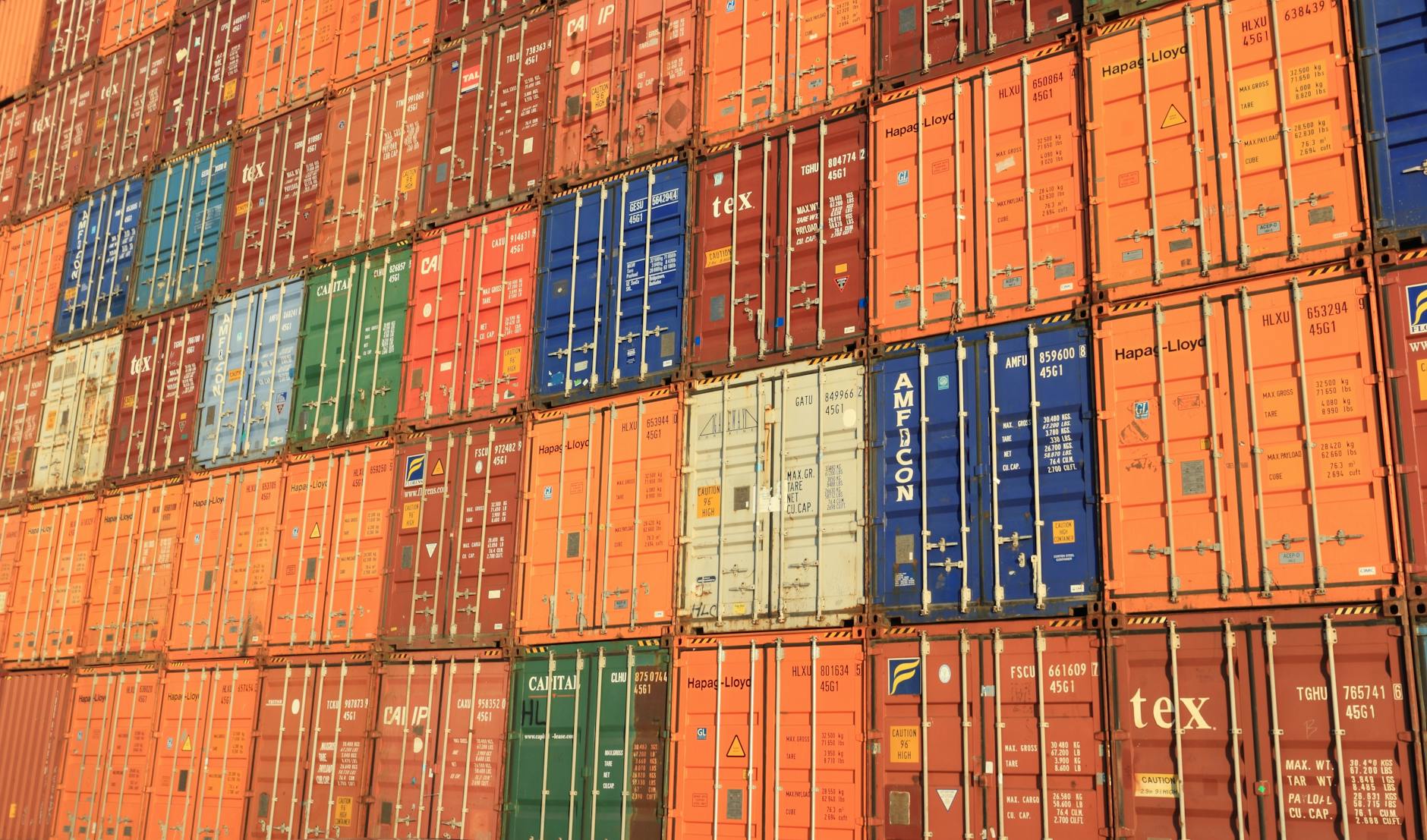
Freight and shipping costs are one of the most overlooked budget items when ordering promotional products — and for many Australian businesses, schools, and event organisers, they can come as a genuine surprise. You’ve carefully selected your branded merchandise, approved your artwork, confirmed your quantities, and then the shipping invoice arrives and suddenly your per-unit cost has climbed well beyond what you anticipated. It doesn’t have to be that way. With a clear understanding of how freight and shipping costs for promotional product orders are calculated, and what factors drive them up or down, you can plan your budget accurately, avoid nasty surprises, and make better decisions from the start.
Why Freight Costs Matter More Than Most Buyers Realise
When organisations budget for promotional products, they typically focus on the unit price, decoration costs, and setup fees. Freight is often treated as an afterthought — a flat rate or a small percentage that gets tacked on at the end. In reality, freight can represent anywhere from 3% to 15% or more of the total order value, depending on the product type, order size, destination, and delivery timeframe.
This is particularly relevant for Australian buyers. Our geography means that suppliers based in Sydney or Melbourne might need to ship orders to remote locations in the Northern Territory, the Pilbara, South Australia’s Eyre Peninsula, or regional Queensland — and those distances have a direct cost impact. Even metropolitan deliveries can carry significant freight fees when orders are heavy, bulky, or fragile.
Understanding freight from the outset also helps you compare supplier quotes more accurately. Two quotes may look similar on product price but differ substantially when freight is factored in. Always ask for a fully landed price before committing to an order.
Key Factors That Influence Freight and Shipping Costs
Several variables combine to determine what you’ll pay to get your promotional products delivered. Here’s what to watch for.
Product Weight and Cubic Weight
Freight carriers in Australia charge based on either the actual weight of your shipment or its cubic weight (also called volumetric weight), whichever is greater. Cubic weight accounts for the amount of space a package takes up in a vehicle or aircraft.
This matters enormously for promotional products. Promotional yoga mats in Melbourne orders, for instance, are lightweight but take up significant volume, meaning cubic weight rules apply and costs climb quickly. Similarly, a bulk order of branded personalised shopper bags will be very light but quite bulky depending on how they’re packed.
Conversely, denser items like glass drinkware, awards and trophies, or branded Titleist golf bags will be charged on actual weight. Understanding this distinction helps you anticipate costs before you request a quote.
Delivery Distance and Location
Geography is unavoidable. Shipping from a supplier in Sydney to a client in Brisbane is straightforward and relatively affordable. Shipping that same order to Darwin, Hobart, or a regional town in Western Australia is a different equation entirely. Organisations in places like Kangaroo Island sourcing promotional products face additional freight legs that mainland customers simply don’t encounter.
Even within capital cities, delivery to outer suburban or industrial zones can attract surcharges. Always confirm the exact delivery address when requesting a freight estimate.
Delivery Timeframe
Standard road freight is significantly cheaper than express air freight. If you have a firm event deadline and you’ve left ordering to the last minute, you may need to pay premium rates to get your products delivered on time. Rush orders that require overnight or same-day freight across state borders can cost three to five times the price of standard delivery.
This is one of the most compelling arguments for planning your promotional product orders well in advance. A Brisbane school ordering custom promotional apparel for an upcoming sports carnival with six weeks’ lead time will pay considerably less in freight than one that leaves it to the final week.
Order Quantity and Number of Cartons
Larger orders can sometimes attract better freight rates per unit because the cost is spread across more items. However, very large orders that fill multiple pallets require pallet freight or semi-trailer delivery, which introduces different pricing structures. Some delivery locations — particularly schools, small offices, or retail sites without a loading dock — may incur additional fees for tail-lift services.
If you’re ordering promotional spiral notebooks for a conference in 500-unit quantities, the weight adds up quickly. Think about the logistics before committing to a large order that might require special handling on delivery.
How Decoration Method Affects Packaging and Shipping
It’s worth noting that different decoration methods can influence how products are packaged for shipping, which in turn affects freight costs. Items that require individual poly-bagging or protective packaging after decoration — such as sublimation-printed custom t-shirts or individually boxed awards — take up more space and add to the cubic weight of the shipment.
Similarly, products that are fragile or require special protection during transit, such as glass drinkware or tech accessories like custom phone cases or promotional USB drives, may need additional packaging materials that add both weight and volume to the final carton.
When comparing quotes across suppliers, ask specifically how products are packed for freight. A supplier who uses efficient, compact packaging can save you meaningfully on delivery costs.
Budgeting for Freight: Practical Tips for Australian Buyers
Getting freight right is largely about planning ahead and asking the right questions. Here are some practical strategies to help you budget accurately.
Always Request a Fully Landed Price
Before approving any promotional product order, ask your supplier to provide the total cost including freight, handling charges, and any fuel levies or remote area surcharges. Some suppliers advertise “free freight” on orders over a certain value — this is worth understanding in detail, as free freight thresholds can vary and may only apply to metro deliveries.
Consolidate Orders Where Possible
If your organisation regularly orders branded merchandise throughout the year — for events, staff onboarding, trade shows, and so on — consider whether you can consolidate some of these orders into fewer, larger shipments. Whether you’re ordering branded women’s tote bags for a corporate event or promotional keyrings in Melbourne for a local campaign, consolidation reduces the number of freight movements and typically lowers the overall delivery cost per unit.
Factor in Freight When Comparing Suppliers
Two suppliers might quote very differently for freight depending on their warehouse location, their freight account rates, and how they calculate delivery. A supplier in Perth quoting on promotional USB drives may have vastly different freight rates to deliver to Adelaide compared to a Sydney-based supplier. Always compare total landed costs, not just product prices.
Build Freight Into Your Per-Unit Cost
When reporting costs to stakeholders or calculating your ROI on branded merchandise, always incorporate freight into your per-unit calculation. If you’ve ordered 200 branded drinkware items and want to understand what the growth in promotional drinkware actually costs your organisation, dividing total freight cost by total units gives you a cleaner picture of true spend.
Plan for Events Well in Advance
Whether you’re preparing giveaways for a seminar or assembling a merchandise kit for a trade expo, give yourself at least three to four weeks beyond the production lead time to allow for standard freight. Express freight should be a backup plan, not a default.
Special Considerations for Certain Product Categories
Some product types warrant extra attention when it comes to freight planning.
Eco-friendly and reusable products: Orders for reusable branded merchandise such as bamboo items, recycled tote bags, or recycled paper branded shopping bags can be surprisingly bulky given their lightweight nature, making cubic weight calculations particularly relevant.
Retail and hospitality signage: Items like branded hand washing reminder signs for cafes or A-frame banners are often oversized, meaning freight carriers apply lengthy item surcharges on top of standard rates.
Niche or specialty products: Unique items such as personalised pet memorial products for veterinary clinics or branded bottle openers for real estate agents are typically small and light, meaning freight costs are minimal — an advantage worth appreciating when budgeting for lower-volume specialty orders.
Branded apparel and soft goods: T-shirts, hoodies, and similar garments compress well and are generally efficient to ship. However, large bulk orders for school uniforms or employee engagement merchandise programmes can still generate significant freight costs simply due to the total weight and carton count involved.
Conclusion
Freight and shipping costs for promotional product orders are a genuine and significant budget consideration for Australian businesses, schools, and event organisers. Getting this right isn’t complicated — it just requires awareness, planning, and the habit of always asking for total landed costs before approving an order.
Here are the key takeaways to keep in mind:
- Always get a fully landed price — include freight, handling, and any surcharges before comparing supplier quotes.
- Plan your order timeline carefully — standard freight is far cheaper than express, and giving yourself adequate lead time protects your budget.
- Understand cubic weight — bulky but lightweight products are often charged on volume, not mass, which catches many buyers off guard.
- Consolidate orders where possible — fewer shipments typically means lower per-unit freight costs across the year.
- Factor freight into your per-unit cost — for accurate ROI calculations and stakeholder reporting, true cost includes delivery.
With these principles in mind, freight stops being a surprise and starts being a manageable, predictable part of your promotional products strategy.