
The Complete Guide to Ordering a Customised Polo T-Shirt for Your Organisation
Learn how to order the perfect customised polo t-shirt for your business, school, or event. Tips on decoration, fabrics, MOQs & more.

Written by
Riley Monk
Custom Apparel
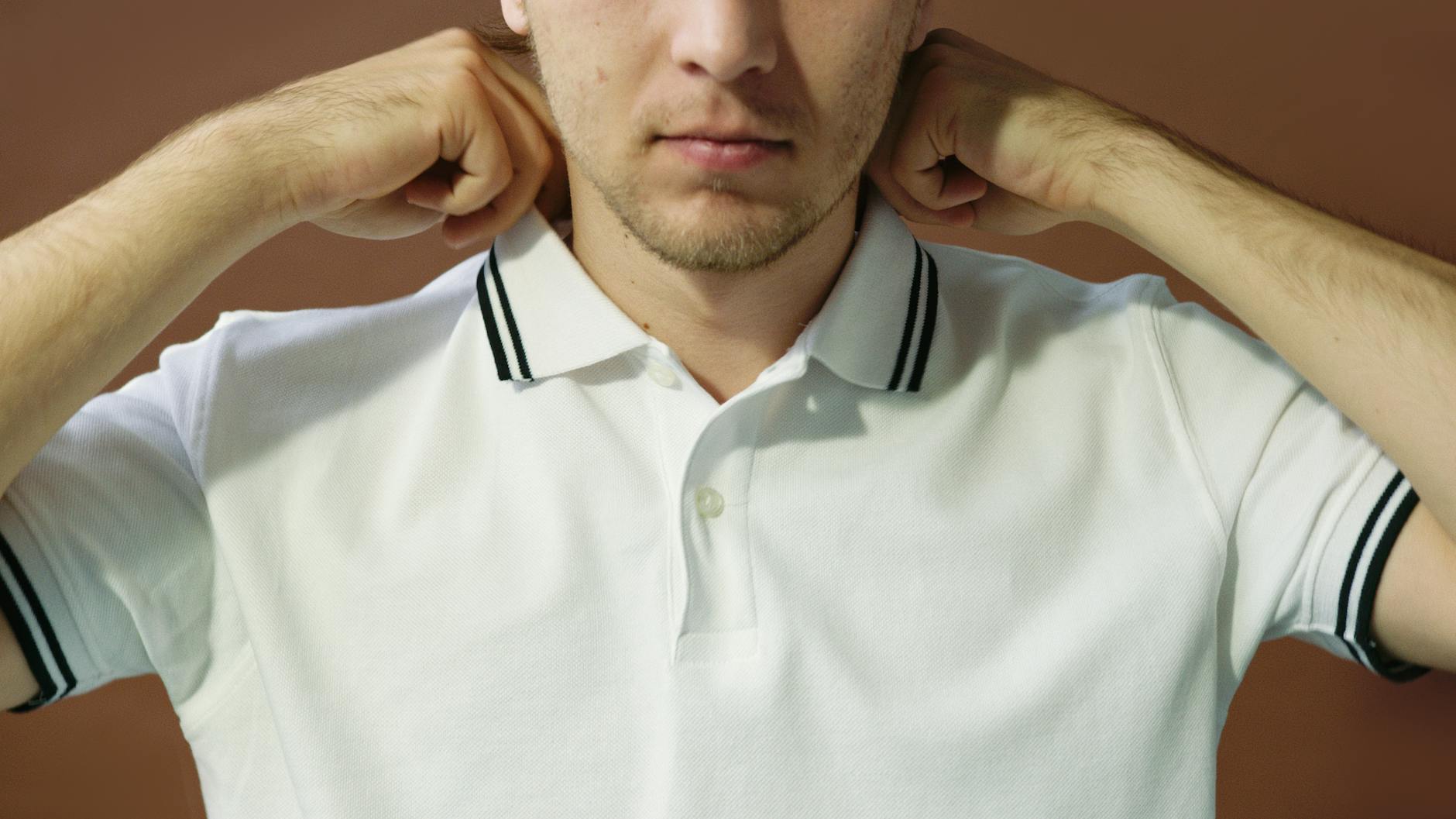
There’s a reason the humble polo shirt has remained a wardrobe staple in Australian workplaces, schools, and sporting clubs for decades. It strikes that perfect balance between smart and casual — professional enough for client-facing roles, comfortable enough for active environments, and versatile enough to work across nearly every industry. Whether you’re kitting out a Gold Coast sales team, ordering uniforms for a Brisbane primary school, or sourcing branded apparel for a Melbourne corporate event, a well-designed customised polo t-shirt can do a remarkable amount of heavy lifting for your brand.
But ordering custom polos is more nuanced than it might first appear. Fabric weight, decoration method, minimum order quantities, turnaround times, and colour consistency all play a role in whether your final product looks sharp and professional — or falls flat. This guide covers everything you need to know before you place your first (or next) order.
Why a Customised Polo T-Shirt Works So Well for Branding
Few garments offer the brand exposure potential of a well-made polo shirt. Unlike a pen or a keyring that gets tucked into a drawer, a polo shirt is worn in public. Your logo, embroidered or printed on the chest or sleeve, becomes a mobile advertisement every time a staff member wears it — at the office, on a job site, at a trade show, or commuting on public transport through the streets of Sydney or Adelaide.
The polo format is also remarkably inclusive. It works for both men and women, suits a wide age range, and can be styled up or down depending on the setting. For organisations that need a single uniform solution across multiple departments or roles — from reception to warehouse — a polo with consistent branding delivers a cohesive, professional look without the rigidity of a formal dress code.
Beyond aesthetics, branded uniforms carry genuine business value. Employees who wear consistent branded apparel tend to feel more connected to their organisation’s identity. If you’re interested in how this translates to real workplace outcomes, our post on how branded merchandise impacts employee engagement explores the research in detail.
Choosing the Right Fabric for Your Customised Polo T-Shirt
One of the most common mistakes organisations make when ordering custom polos is choosing purely on price without considering fabric suitability. The right fabric depends on how and where the polo will be worn.
Cotton Polos
100% cotton polos are breathable, soft, and comfortable for everyday wear. They’re a popular choice for schools, retail environments, and office-based teams. The trade-off? Cotton is heavier, can shrink after washing, and doesn’t wick moisture as effectively as synthetic options.
Polyester and Performance Fabrics
For outdoor teams, sporting clubs, tradies, and anyone working in warm climates — particularly across Queensland, the Northern Territory, and Western Australia — a polyester or poly-cotton blend polo is often the smarter choice. These fabrics are lightweight, moisture-wicking, and hold their colour well after repeated washing.
Piqué Weave
The classic piqué polo (think the textured weave of a traditional polo shirt) offers a more structured, professional appearance. It’s slightly heavier and more formal-looking than a jersey knit, making it ideal for corporate environments, real estate agencies, or financial services teams.
Premium Blends
Many organisations opt for a poly-cotton blend that offers the best of both worlds — breathability and durability. A 65% polyester / 35% cotton mix is one of the most popular choices in the promotional apparel space, offering good colour retention, comfortable wear, and excellent print quality.
Decoration Methods: How to Brand Your Polo
The decoration method you choose will significantly impact the final look, feel, and durability of your customised polo t-shirt. Each method has its ideal use cases.
Embroidery
Embroidery is the gold standard for polo shirts in most corporate and professional settings. The stitched finish looks premium, holds up exceptionally well through repeated washing, and conveys a sense of quality that other methods can’t always match. It’s ideal for smaller, detailed logos on the chest or sleeve.
Keep in mind that embroidery has a setup cost for digitising your artwork, and very fine details or small text can be tricky to reproduce accurately. For most logos, though, embroidery is the go-to choice.
Screen Printing
Screen printing works best for larger designs across the back or front of the polo. It delivers vibrant, bold colour and is cost-effective at scale. However, it’s less suited to very intricate artwork or designs with many colours, as each colour requires a separate screen and setup fee.
Heat Transfer
Heat transfer allows for full-colour, detailed designs without the colour limitations of screen printing. It’s particularly useful for photographic designs, gradients, or complex multi-colour artwork. Quality has improved dramatically in recent years, though it may not match the longevity of embroidery over hundreds of washes.
Sublimation Printing
Sublimation works by infusing dye directly into the fabric, creating vivid, all-over designs with no cracking or peeling. However, it only works effectively on white or light-coloured polyester garments. If you’re considering sublimation for your polos, our detailed post on sublimation on custom t-shirts in Australia explains the process and limitations clearly.
Understanding MOQs, Pricing, and Turnaround Times
Minimum Order Quantities
For customised polo t-shirts, minimum order quantities (MOQs) typically start around 12–25 units for embroidered styles and can go lower for digital or heat transfer methods. Screen printing generally requires higher MOQs — often 50 or more — to justify the setup costs per colour.
If you only need a handful of polos (say, six uniforms for a small Perth-based trades business), it’s worth discussing your options with your supplier, as some offer lower minimums at a higher per-unit cost.
Pricing Considerations
Pricing for custom polos varies widely based on:
- Garment quality and fabric weight
- Decoration method and number of colours
- Quantity ordered (larger orders = lower per-unit cost)
- Number of print/embroidery locations (chest, sleeve, back)
- Setup fees (typically charged once per design, per method)
As a general guide in 2026, entry-level custom polos can start from around $15–$20 per unit at volume, with premium options running $35–$60 or more per unit. Always request a detailed quote that breaks out garment cost, decoration, setup fees, and freight.
Turnaround Times
Standard turnaround for customised polo t-shirts in Australia is typically 10–15 business days after artwork approval. Rush orders can often be accommodated in 5–7 business days, though this may attract a surcharge. If you’re ordering for a specific event — a Canberra government department conference, for instance, or a school sports carnival in Hobart — always build in buffer time for artwork revisions and proof approvals.
For broader context on the types of promotional apparel available and how to plan your order, our guide to promotional apparel in Australia is a great starting point.
Artwork and Colour Matching: Getting It Right
Submitting the right artwork upfront saves significant time and cost. Vector files (AI, EPS, PDF) are ideal for embroidery and screen printing, as they scale without losing quality. For digital methods, high-resolution PNG or TIFF files are acceptable.
Colour matching is critical for brand consistency. If you have specific Pantone (PMS) colours for your brand, provide these to your decorator. For embroidery, your supplier will match your PMS colours to the closest available thread colour. For screen printing, PMS inks can typically be mixed accurately for an additional fee.
Ordering a physical sample or requesting a digital proof before full production is strongly recommended — especially for large orders. Never approve a job based on a mockup alone if colour accuracy is critical to your brand.
Who Orders Customised Polo T-Shirts? Common Use Cases
The versatility of the polo shirt makes it a natural fit across many sectors:
- Schools and education: Primary schools across Sydney’s western suburbs frequently order custom polo uniforms for sports days, excursions, and everyday wear. The durability of a poly-cotton polo holds up to the demands of the school environment.
- Corporate businesses: Law firms, accounting practices, real estate agencies, and financial services companies use embroidered polos for a smart, unified look that doesn’t require a full suit.
- Healthcare and allied health: Clinics, physiotherapy practices, and community health organisations across Melbourne and Brisbane use branded polos to help patients identify staff. This is especially useful in busy environments.
- Tradies and field teams: Construction companies, electricians, plumbers, and facilities management teams across Perth and Darwin rely on durable polo shirts that can handle outdoor conditions and frequent washing.
- Events and conferences: Polos are a popular choice for event staff, volunteers, and crew. They’re easy to produce at scale and create a professional, cohesive look. For more ideas on event-focused merchandise, our post on promotional giveaways for seminars in Australia covers the broader merchandise landscape for events.
- Sporting clubs: Community sports clubs from Darwin to the Gold Coast use matching polos for off-field and administrative teams, helping distinguish officials from players.
Pairing Polos with Other Branded Merchandise
A customised polo t-shirt rarely works in isolation — most organisations use it as part of a broader branded merchandise strategy. Consider pairing your polos with:
- Branded promotional drinkware such as keep cups or water bottles for staff welcome packs
- Custom tote bags or personalised shopper bags for trade show giveaways
- Promotional spiral notebooks for conferences and corporate training days
- Custom phone cases for tech-focused businesses building a cohesive branded merchandise suite
- Reusable branded merchandise for organisations focused on sustainability and reducing single-use waste
Thinking beyond a single product and building a cohesive merchandise pack creates a stronger brand impression, whether you’re onboarding new employees or representing your organisation at an expo.
Conclusion: Key Takeaways for Ordering Your Customised Polo T-Shirt
Ordering the right polo shirt for your organisation takes a little planning, but the results — professional, durable, and highly visible branded apparel — are well worth the effort. Here’s a summary of the most important points to carry forward:
- Choose fabric based on function: Cotton for office environments, polyester blends for outdoor or high-activity roles, piqué weave for corporate settings requiring a smart appearance
- Match your decoration method to your artwork: Embroidery for professional, long-lasting results; screen printing for bold, large-scale designs; sublimation for vivid all-over polyester prints
- Plan your timeline carefully: Allow at least 10–15 business days after artwork approval, and build in buffer time for event-specific orders
- Submit correct artwork upfront: Provide vector files and PMS colour references to avoid delays and ensure brand consistency
- Think about the full merchandise picture: A customised polo t-shirt works best as part of a broader branded merchandise strategy — consider what other products can reinforce your brand identity alongside your uniforms