
Custom Shot Glasses for Australian Businesses, Events and Corporate Gifting
Discover how custom shot glasses make powerful branded merchandise for Australian businesses, events, and corporate gifting. Tips, MOQs, and more.

Written by
Declan Foley
Drinkware
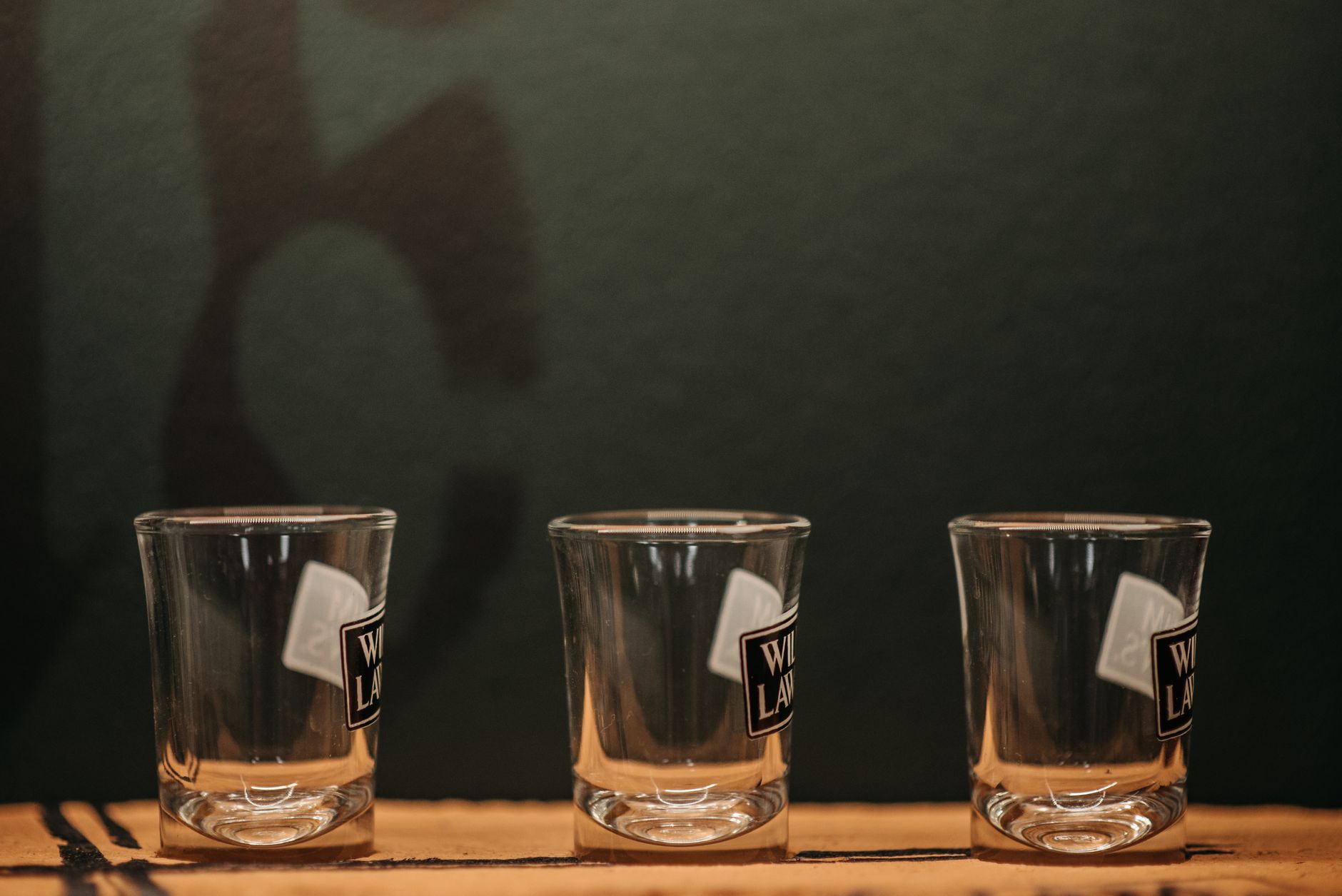
Whether you’re planning a product launch in Melbourne, organising a corporate hospitality event on the Gold Coast, or looking for a memorable giveaway at a Sydney trade show, custom shot glasses are one of the most versatile and surprisingly effective pieces of branded merchandise available. Small in size but big on impact, branded shot glasses occupy a unique space in the promotional products world — they’re tactile, reusable, conversation-starting, and almost always kept. Unlike a branded pen that ends up in a drawer or a flyer that gets recycled, a shot glass has a home in the kitchen, the bar cart, or the office party collection. If you’ve ever wondered whether custom shot glasses are the right fit for your next campaign, this guide will walk you through everything you need to know.
Why Custom Shot Glasses Work as Promotional Products
The promotional drinkware category has seen consistent growth across Australia, and shot glasses sit comfortably within that trend. According to our overview of the promotional drinkware growth forecast in Australia, branded drinkware consistently ranks among the highest-retention product categories — meaning recipients actually hold onto it.
Shot glasses tick several boxes that marketing managers and event coordinators care about:
- High perceived value — despite being compact, they feel premium in the hand
- Broad appeal — they’re equally at home at a brewery tour, a corporate dinner, or a hospitality venue
- Excellent repeat visibility — every time someone reaches for that glass, your brand gets seen
- Collectability — people often build sets, which means your branded glass could become a genuine keepsake
For businesses in the food, beverage, tourism, and hospitality sectors, custom shot glasses are an especially natural fit. A Tasmanian whisky distillery, a Perth craft brewery, or a Brisbane cocktail bar can all use branded shot glasses to extend their brand beyond the venue. But their usefulness doesn’t stop there — corporate events, hospitality suites at sporting events, milestone celebrations, and product launches all benefit from this kind of tactile, branded item.
It’s also worth noting that custom shot glasses pair beautifully with other branded merchandise. Consider bundling them with promotional branded bottle openers for a cohesive hospitality gift set, or including them alongside other branded items as part of a larger reusable branded merchandise strategy.
Decoration Methods for Custom Shot Glasses
One of the first decisions you’ll face when ordering custom shot glasses is how you want your branding applied. The decoration method affects the look, durability, and cost of the finished product, so it’s worth understanding your options.
Screen Printing
Screen printing is the most common decoration method for glassware. It produces vibrant, opaque colours and works well for logos, wordmarks, and simple graphic designs. Printed shot glasses are typically cured at high temperatures to improve durability, though the print can still chip or wear over time with heavy use. Screen printing is ideal for high-volume runs and tends to offer the best price per unit at larger quantities.
Etching and Sandblasting
For a more premium, permanent finish, etched shot glasses are hard to beat. The process removes a thin layer of glass to create a frosted, tactile design that won’t chip, peel, or fade. This is a popular choice for corporate gifts, awards, and premium hospitality applications. The trade-off is a slightly higher cost per unit and a design that works best with bold, clean artwork rather than fine detail or photographic images.
Colour Fill Engraving
This technique combines the permanence of etching with a pop of colour — the design is engraved first, then filled with colour ink. It’s a step up from standard etching and suits brands that need their logo rendered in specific colours. PMS colour matching is typically available, which is important for organisations with strict brand guidelines.
Digital Printing
For more complex artwork, gradients, or full-colour photographic prints, digital printing on glassware has become increasingly accessible. Results are impressive, though the durability may vary depending on the application method and the quality of the supplier.
When choosing a decoration method, always ask about durability, dishwasher safety (if relevant), and whether your artwork will translate well to that particular process. Your supplier should be able to provide a digital proof and, ideally, a physical sample before you commit to a full run. For more on how decoration choices affect your branded merchandise decisions, our guide to sublimation on custom t-shirts in Australia covers the broader principles of decoration method selection in a useful way.
Minimum Order Quantities, Pricing, and Timelines
Understanding the practical side of ordering custom shot glasses will save you time and budget surprises. Here’s what Australian organisations typically need to know.
Minimum Order Quantities (MOQs)
Most Australian suppliers work with MOQs of 48 to 144 units for custom shot glasses. Screen-printed options often have lower MOQs, while etched or premium products may require larger minimum runs. If you’re testing the water with a small initial order — say, for a staff celebration or a boutique product launch — look for suppliers who offer lower MOQ options, even if the per-unit cost is slightly higher.
Pricing
Pricing varies considerably based on the glass style, quantity, decoration method, and complexity of your artwork. As a rough guide:
- Basic screen-printed shot glasses (100+ units): approximately $3–$6 per unit
- Etched or sandblasted shot glasses (100+ units): approximately $5–$10 per unit
- Premium or colour-fill engraved (100+ units): approximately $8–$15 per unit
Setup fees are common, typically ranging from $50 to $120 per colour or position, so factor this into your budget — especially for smaller runs where setup fees can represent a significant proportion of total cost.
Turnaround Times
Standard turnaround for custom shot glasses in Australia is generally 10–15 business days from artwork approval. Rush options are sometimes available but will attract a premium. If you’re ordering for a specific event in Sydney, Adelaide, or anywhere else, always build in buffer time. Artwork revisions, proof approvals, and freight can all add to your timeline.
Choosing the Right Shot Glass Style
Not all shot glasses are created equal. The style you choose should align with your brand identity, the end use, and your audience’s expectations.
Classic Glass Shot Glasses
The traditional option — heavy, clear glass with a solid base. These feel premium and are well-suited to hospitality venues, corporate gift sets, and product launches. They’re also available in coloured glass for a more distinctive look.
Stainless Steel Shot Glasses
Durable, lightweight, and virtually unbreakable, stainless steel shot glasses are an excellent choice for outdoor events, festivals, and corporate team-building activities. They’re particularly popular in the resources and mining sector across Western Australia and Queensland, where glassware isn’t always practical.
Ceramic Shot Glasses
A less common but increasingly popular option, ceramic shot glasses offer a unique, artisan feel. They work well for boutique brands, lifestyle companies, and gift-with-purchase campaigns. Decoration options include etching, screen printing, and sublimation.
Novelty and Shaped Shot Glasses
From boot-shaped to barrel-shaped, novelty shot glasses can be a fun choice for themed events, tourism applications, and quirky brand campaigns. A Darwin tourism operator or a Gold Coast resort might use these as souvenir-style merchandise.
Best Use Cases for Custom Shot Glasses in Australia
Let’s look at some specific scenarios where custom shot glasses deliver genuine value:
Hospitality and beverage brands: A craft spirits producer in the Adelaide Hills might include branded shot glasses in their cellar door gift sets, turning every at-home pour into a brand interaction.
Corporate events and conferences: Rather than defaulting to the standard pen-and-notepad combo, consider adding branded shot glasses to your next conference delegate pack. Paired with other useful items like promotional giveaways designed for seminars, they help your brand stand out from the sea of forgettable merchandise.
Staff gifts and milestones: Recognising team achievements with a quality branded gift says more than a generic certificate. A set of custom etched shot glasses, presented alongside a premium bottle, makes for a thoughtful and memorable token.
Tourism and retail: Visitor attractions, wineries, breweries, and regional tourism operators across the country — from Kangaroo Island to the Kimberley — can use custom shot glasses as retail products that generate both revenue and brand reach. Our article on promotional products for businesses in Kangaroo Island explores how regional businesses can leverage merchandise effectively.
Product launches and brand activations: Shot glasses are ideal for brand activation events where you want something tangible for guests to take home. When combined with other branded merchandise — personalised shopper bags, custom phone cases, or branded tote bags for women — they can form part of a cohesive welcome pack.
Artwork and Design Tips for Custom Shot Glasses
Getting the artwork right is crucial. Shot glasses have limited real estate, so your design needs to be clean, clear, and impactful.
- Keep it simple: Complex logos with fine lines or gradients may not translate well, particularly for etching. Simplify your artwork where possible.
- Consider the curved surface: Most decoration is applied to a curved surface, so avoid designs that require perfectly straight horizontal lines unless your supplier can confirm this is achievable.
- File formats: Always provide vector artwork (AI, EPS, or high-resolution PDF) for the best results. Raster files (JPG, PNG) may be acceptable for digital printing but should be at least 300dpi.
- PMS colours: If your brand has specific PMS colour requirements, confirm with your supplier that they can match these accurately for your chosen decoration method.
Your supplier should walk you through the proof approval process before production begins. Never approve a job without reviewing and signing off on the digital proof. For broader context on managing branded merchandise projects, it’s worth reading about workplace branded merchandise and employee engagement to understand how attention to quality and detail pays off.
Key Takeaways
Custom shot glasses are a smart, versatile addition to any promotional merchandise strategy — here’s a quick summary of what to keep in mind:
- Choose the right decoration method for your intended use: screen printing for volume, etching for premium longevity, colour fill for brand-accurate colour.
- Plan your timeline carefully — allow at least 15 business days from artwork approval, and build in extra buffer for events with firm deadlines.
- Match your glass style to your audience — glass for hospitality and corporate, stainless steel for outdoor and industrial, ceramic for lifestyle and boutique brands.
- Keep artwork simple and vector-ready — clean, bold designs always translate better to small-format drinkware than complex or detailed graphics.
- Think about bundling — custom shot glasses work best as part of a broader merchandise package, combining with other branded items to create a cohesive and memorable brand experience.
Done well, custom shot glasses deliver brand impressions that outlast the event, the launch, or the celebration — and that’s exactly what great promotional merchandise is supposed to do.