
Custom Printed Camera Bags in Australia: The Complete Ordering Guide for Businesses and Schools
Discover how to order custom printed camera bags in Australia — decoration methods, MOQs, budgets, and top use cases for businesses and schools.

Written by
Issac Oteng
Bags & Totes
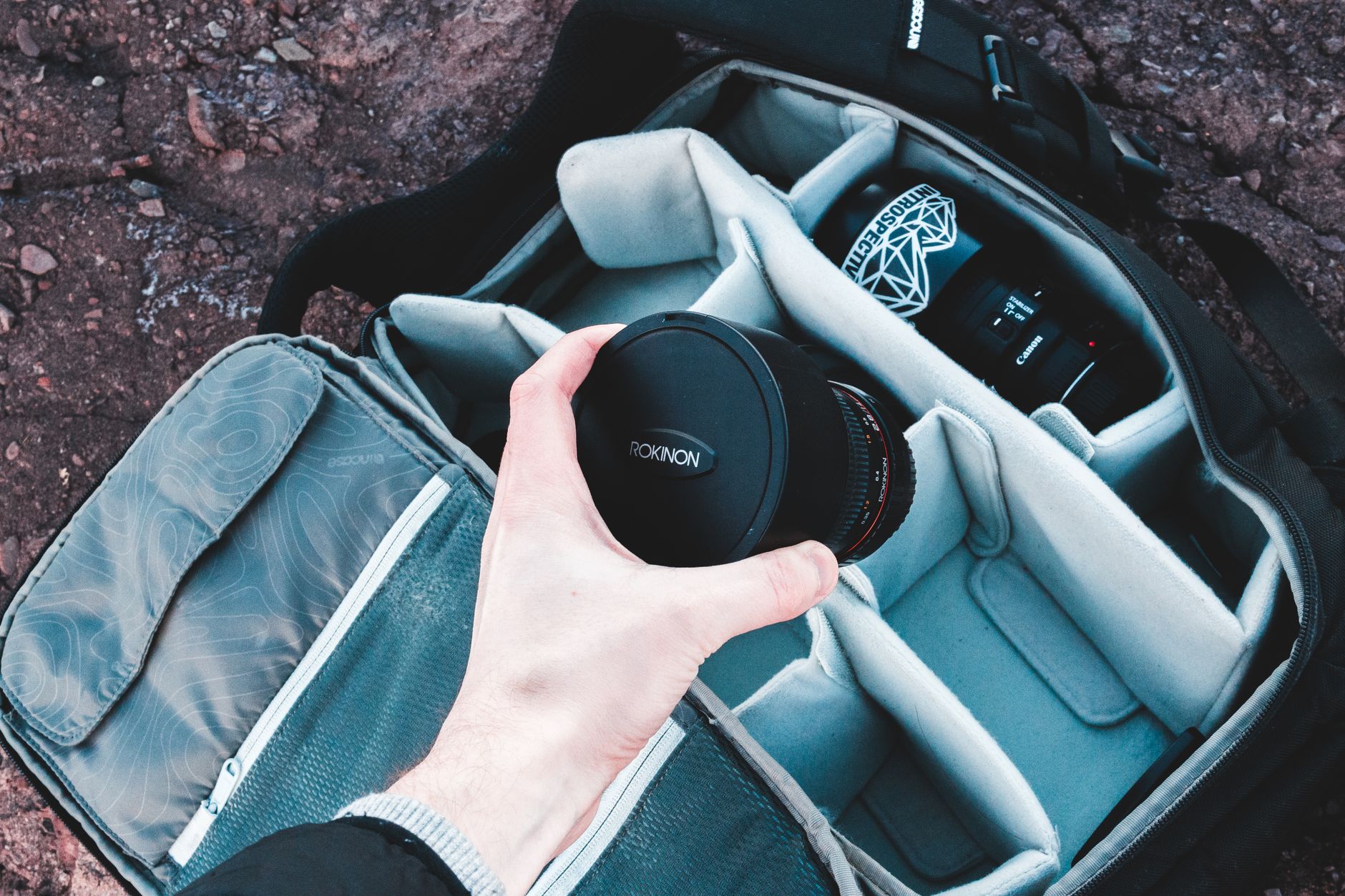
If your organisation works with photography, runs events, trains students in creative arts, or simply wants a premium branded merchandise item that stands out from the usual tote bag or notebook, custom printed camera bags in Australia are worth serious consideration. They’re functional, high-perceived-value products that recipients actually use — and that means your branding gets genuine, repeated exposure. Whether you’re a Sydney marketing agency kitting out your content team, a Melbourne school equipping its media studies department, or a Brisbane conference organiser searching for a memorable delegate gift, a branded camera bag ticks a lot of boxes. This guide walks you through everything you need to know before placing your order.
Why Custom Printed Camera Bags Are a Smart Branded Merchandise Choice
Most promotional bags end up carrying gym gear, groceries, or paperwork. Camera bags are different. They’re purpose-built, protective, and often used in public settings — at shoots, on location, at events, and in classrooms. That means your logo or branding travels with the user across a variety of environments, generating impressions far beyond what a standard giveaway might achieve.
Camera bags also carry a premium feel. Recipients perceive them as a thoughtful, considered gift rather than a generic freebie. For organisations looking to reinforce brand values around creativity, professionalism, or innovation, that perception matters. Compare this to something like a women’s branded tote bag — both are practical bag options, but a camera bag signals a higher level of investment and intentionality.
From a budget perspective, yes, camera bags sit at a higher price point than basic tote bags or stubby holders. But the cost-per-impression over the lifetime of the product is excellent, and when you’re targeting a specific audience — photographers, content creators, educators, journalists, or tech-savvy event attendees — the relevance factor alone makes them a strong investment.
Who Should Consider Ordering Branded Camera Bags?
The use cases for custom printed camera bags in Australia are broader than you might expect:
- Schools and universities with photography, media, or creative arts programs — think secondary schools in Adelaide or Hobart equipping students with branded bags for excursions, or a TAFE in Perth providing gear for its digital media cohort
- Corporate businesses running content teams, marketing departments, or creative agencies that want cohesive branded kit for their staff
- Conference and event organisers looking for a premium delegate gift that goes beyond the usual branded pen or notebook
- Government departments and councils commissioning photography for community projects or campaigns
- Charities and not-for-profits running documentary projects or awareness campaigns
- Real estate agencies equipping their property photography teams with professional, branded gear alongside other branded essentials like promotional branded bottle openers
Understanding Decoration Methods for Camera Bags
Choosing the right decoration method is arguably the most important decision in your ordering process. Camera bags are typically made from canvas, nylon, polyester, or waxed fabrics — and each material behaves differently under various decoration techniques.
Embroidery
Embroidery is one of the most popular choices for camera bags, particularly on canvas and thicker woven fabrics. It produces a clean, durable, premium-looking result that holds up well over time. Embroidered logos work best when they’re not overly complex — intricate fine lines or gradients don’t translate well into thread. A digitised version of your logo is required, and setup fees typically apply for new designs.
Embroidery suits corporate applications particularly well. If you’re branding bags for a professional photography team or a premium conference, embroidery delivers a sophisticated finish that aligns with a high-end brand identity.
Screen Printing
Screen printing is well-suited to flat panels on bags — think the front pocket or the main body panel. It delivers vibrant, bold colour results and is cost-effective at higher quantities. It works best on polyester and canvas materials. If your branding relies on strong visual impact with solid colour fills, screen printing is a reliable choice.
Keep in mind that screen printing involves per-colour setup fees and works best with designs that have clearly defined, solid colour areas. PMS colour matching is usually available, which is critical if your branding guidelines require precise colour accuracy.
Heat Transfer and Sublimation
For bags with polyester panels, heat transfer and sublimation printing offer the ability to reproduce full-colour, photographic-quality artwork. Sublimation works particularly well for all-over prints, while heat transfer is suitable for specific placement logos. These methods are ideal if your design is complex, multi-coloured, or includes photographic elements.
Laser Engraving and Debossing
Less common on bags but worth knowing about — laser engraving can be used on leather or faux-leather trim and hardware elements on premium camera bags. Debossing creates a tactile, elegant impression in leather or leather-look panels. Our guide to laser engraving for promotional products is a helpful resource if you’re weighing up these options for premium applications.
Key Considerations Before You Place Your Order
Minimum Order Quantities
Custom printed camera bags in Australia typically come with minimum order quantities (MOQs) that vary by supplier, bag style, and decoration method. For standard stock bags with embroidery or screen printing, MOQs commonly start at around 25–50 units. Fully custom-manufactured bags (bespoke shapes, custom hardware, proprietary fabric colours) will generally require MOQs of 100 units or more and involve longer lead times — often 8–12 weeks, including ocean freight from overseas manufacturing.
If you’re ordering smaller quantities, look for suppliers who stock bags locally and can decorate them domestically, which also reduces turnaround times significantly.
Turnaround Times
Domestic decoration on stock bags typically takes 5–15 business days from artwork approval, depending on complexity and production volume. If you’re ordering for a specific event date — say, a Darwin conference or a Gold Coast trade show — always build in buffer time and discuss your deadline clearly with your supplier upfront.
For schools ordering bags for a new academic term or a specific excursion date, plan your order at least 4–6 weeks in advance to allow for sampling, proof approval, and production.
Artwork Requirements
Most suppliers will require vector artwork (AI, EPS, or PDF formats) for clean reproduction, particularly for embroidery and screen printing. If your logo only exists as a JPEG or PNG, ask your supplier whether they can arrange artwork redraws — many include this as part of the service. Providing accurate brand colours in PMS format helps ensure consistent colour matching across all decoration methods.
Budget Planning
A realistic budget for custom printed camera bags in Australia will depend on the bag style, quantity, and decoration complexity. Entry-level branded camera bags start at approximately $35–$60 per unit at moderate quantities. Mid-range styles with more features (padded inserts, multiple compartments, weather-resistant materials) typically range from $60–$120 per unit. Premium or custom-manufactured options can exceed this significantly.
Factor in setup fees (which are often a one-off cost, making larger orders more economical per unit) and, if applicable, freight costs from international manufacturing. It’s also worth considering how your camera bag investment compares to other high-value branded merchandise like promotional USB drives or branded drinkware — all strong options for premium gift programmes.
Customisation Options That Maximise Brand Impact
Beyond simply printing a logo, there are several customisation approaches worth considering:
Colour selection: Many bag suppliers offer a range of standard colourways. Choosing a colour that aligns with your brand palette creates a cohesive look, even before any decoration is applied.
Custom labels and lining: For a fully branded feel, consider requesting custom woven labels on interior seams or printed lining fabric. This is more common in higher-MOQ custom manufacturing runs but adds a premium touch.
Branded accessories: Pairing a camera bag with matching accessories — a custom keyring or branded lanyards — creates a complete kit that amplifies your brand presence.
Swing tags and packaging: For gift applications, branded swing tags or tissue-wrapped presentation packaging elevate the unboxing experience. This is particularly valuable for corporate gift sets targeting clients or senior staff.
The rise of on-demand printing technology has also made it increasingly viable to order smaller quantities with shorter lead times, which is useful for pilot programmes or limited-run gifts.
Practical Tips for Schools and Educational Organisations
For secondary schools and tertiary institutions with photography or media programmes, branded camera bags serve a dual purpose: they protect expensive equipment and reinforce school or campus identity. A Melbourne secondary school running a VCE Media programme, for example, might order embroidered bags in school colours for students to use on excursions and assessment shoots.
A few tips specific to educational buyers:
- Work with your administration team to confirm the total number of students or staff who need bags before approaching suppliers — accurate quantities help you access better pricing tiers
- Consider durability over aesthetics — padded interiors, reinforced zippers, and weather-resistant materials will hold up better in a school environment
- If budget is constrained, explore whether a simpler branded bag style (like a canvas shoulder bag) can serve the purpose, complemented by branded spiral notebooks or other lower-cost items to complete a branded kit
- Check whether your school’s merchandise programme extends to workplace branded merchandise principles — staff engagement with branded gear matters in educational settings too
Common Questions About Custom Printed Camera Bags in Australia
Can I order a sample before committing to the full run? Yes, most reputable suppliers can arrange pre-production samples, though a fee may apply. For higher-value orders, requesting a physical sample before full production is strongly recommended.
Do I need to provide my own camera bags for decoration? Some decorators offer a “supply your own” service if you’ve sourced bags elsewhere, though this is less common. Most suppliers prefer to source and decorate from within their own inventory for quality consistency.
What’s the difference between a camera bag and a general tech bag? Camera bags typically feature padded, customisable interior dividers designed to protect camera bodies, lenses, and accessories. They’re more specialised than general laptop bags or tech accessories bags, though there is overlap with certain hybrid styles.
Are there eco-friendly camera bag options? Yes — some suppliers offer camera bags made from recycled materials, organic canvas, or other sustainable fabrics. Given growing awareness of environmental responsibility, this is an increasingly requested option, particularly for organisations with sustainability commitments.
Conclusion: Key Takeaways for Ordering Custom Printed Camera Bags in Australia
Custom printed camera bags in Australia represent a premium, practical, and highly effective branded merchandise option for the right organisations. Here’s a summary of what to keep in mind as you plan your order:
- Choose your decoration method carefully — embroidery suits premium and corporate applications; screen printing and sublimation suit bold, colourful designs on polyester panels
- Plan your timeline early — allow at least 4–6 weeks for domestic production and longer (8–12 weeks) for custom-manufactured options
- Know your MOQs — most standard options start at 25–50 units, but custom manufacturing requires higher quantities
- Budget for the full picture — include setup fees, freight, and packaging in your total cost calculation
- Match the product to the audience — camera bags work best when there’s a genuine connection between the recipient’s activities and the product’s purpose; relevance drives retention and brand exposure
Whether you’re equipping a school media department in Canberra, creating a premium delegate gift for a Melbourne conference, or branding up a corporate content team in Sydney, a custom printed camera bag delivers lasting value that far outlasts the day it was handed over.