
Cotton and Clothes: Why Cotton Fabric Is the Smart Choice for Custom Apparel
Discover why cotton dominates custom apparel for Australian businesses and schools — from fabric types to decoration methods and ordering tips.

Written by
Riley Monk
Custom Apparel
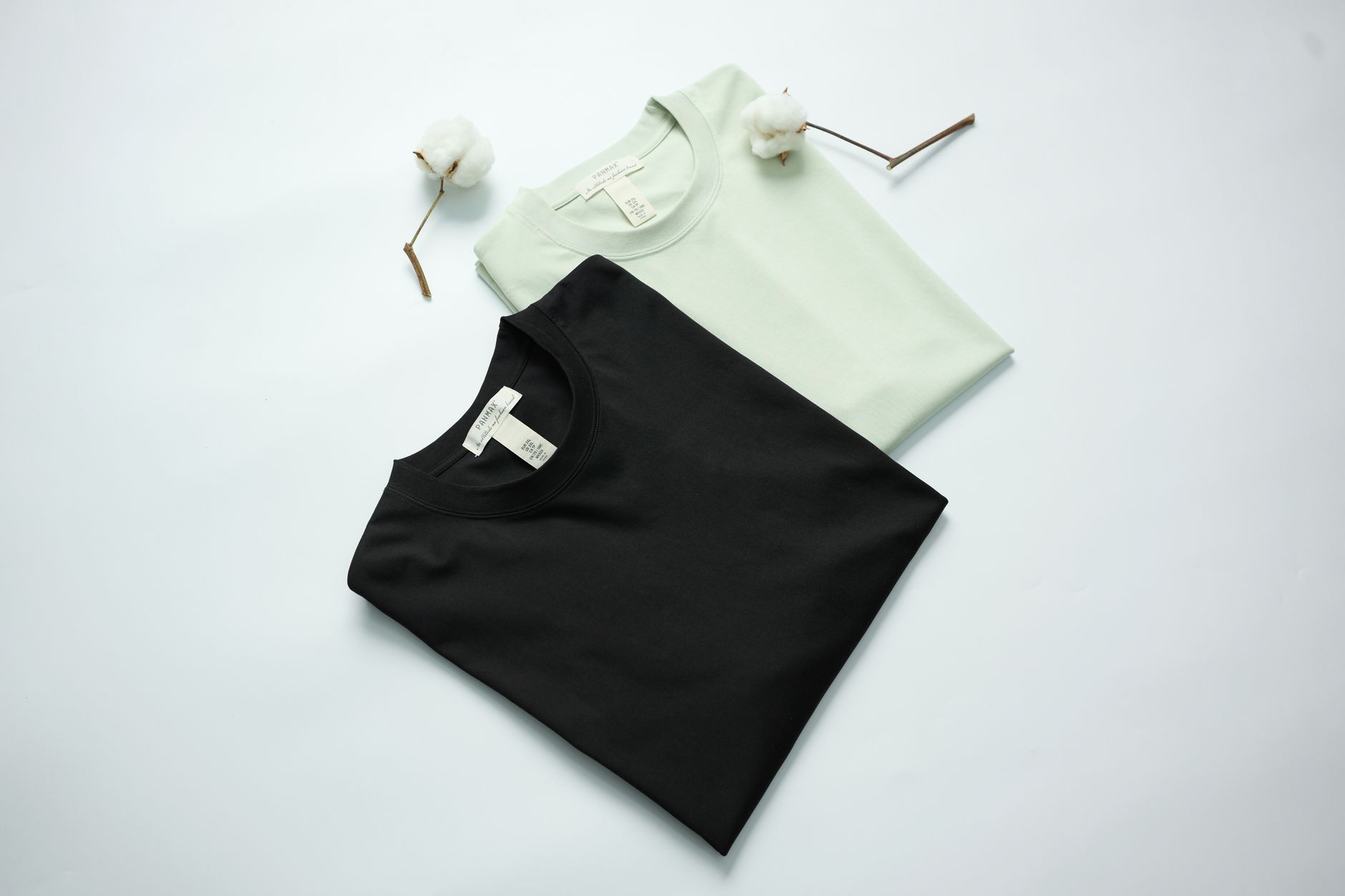
When it comes to branded merchandise, few decisions matter more than the fabric you choose. Cotton and clothes have gone hand in hand for thousands of years, and for good reason — it’s breathable, comfortable, durable, and universally loved. But when you’re ordering custom apparel for your business, school, or upcoming corporate event, understanding the nuances of cotton can mean the difference between merchandise your team proudly wears and items that end up stuffed in a drawer. Whether you’re a Sydney marketing manager sourcing staff uniforms, a Brisbane primary school planning sports day shirts, or a Melbourne-based conference organiser planning branded giveaways, this guide will walk you through everything you need to know about cotton in the world of promotional apparel.
Why Cotton Dominates Custom Apparel in Australia
Australia’s climate makes cotton an obvious winner for branded clothing. Across Queensland, the Northern Territory, and Western Australia, temperatures regularly push into the high thirties during summer — and cotton’s natural breathability keeps wearers cooler and more comfortable than synthetic alternatives. Even in cooler southern states like Victoria and Tasmania, cotton remains a go-to choice thanks to its soft feel and versatile layering potential.
But comfort alone doesn’t explain cotton’s dominance in the promotional products space. There are several practical reasons why cotton continues to be the preferred fabric for custom apparel:
- Printability: Cotton fibres absorb ink and dye exceptionally well, which is critical for vibrant, long-lasting screen prints and embroidery results.
- Brand perception: High-quality cotton garments carry a premium feel that reflects positively on your organisation. A crisp 200gsm cotton polo looks and feels far more professional than a flimsy synthetic alternative.
- Broad appeal: Cotton suits virtually every wearer, making it ideal for orders that span diverse staff, student, or volunteer populations.
- Washing durability: Well-made cotton garments hold their shape and colour through repeated washes, extending the life of your branded merchandise.
If you’re still weighing up your fabric options before placing an order, our complete guide to choosing the right fabric for custom t-shirts breaks down the pros and cons of each material in more detail.
Understanding Cotton Types and Weights for Branded Clothing
Not all cotton is created equal. When sourcing custom apparel, you’ll encounter several cotton variations — each with different characteristics that suit different applications.
100% Cotton
The most straightforward option, 100% cotton garments offer maximum breathability and comfort. They’re ideal for corporate casual wear, school uniforms, and event t-shirts. The main drawback is that pure cotton can shrink slightly with washing and may wrinkle more easily than blended fabrics.
Cotton-Polyester Blends
A popular choice for active wear and workwear, cotton-poly blends (typically 65% cotton, 35% polyester) offer the breathability of cotton combined with the durability and stretch recovery of polyester. These blends are particularly well-suited to sporting clubs, trade workers, and outdoor event staff. They also tend to resist shrinkage more effectively than pure cotton.
Ringspun Cotton
Ringspun cotton is produced by spinning the cotton fibres into a tighter, smoother yarn, resulting in a noticeably softer feel. If your organisation is producing premium branded t-shirts — for a corporate team-building event in the Gold Coast, say, or a charity fun run in Adelaide — ringspun cotton is worth the slight price premium.
Combed Cotton
Combed cotton takes the process a step further by removing short fibres and impurities before spinning, creating an even finer, stronger thread. You’ll find combed cotton in higher-end custom apparel, and it’s an excellent choice for organisations that want their merchandise to convey quality and attention to detail.
Understanding Fabric Weight (GSM)
GSM stands for grams per square metre, and it’s one of the most important indicators of quality in cotton apparel. Here’s a quick reference guide:
- 130–150gsm: Lightweight, budget-friendly — suitable for simple event giveaways or school faction shirts where cost is the primary consideration.
- 160–180gsm: The sweet spot for most promotional t-shirts — comfortable, durable, and prints well.
- 180–210gsm: Mid-weight, premium feel — ideal for corporate uniforms, branded polos, and staff apparel.
- 210gsm+: Heavyweight — typically used for quality hoodies, sweatshirts, and workwear.
For more detail on how fabric weight affects decoration outcomes, take a look at our overview of screen printing on different fabric weights.
Cotton and Clothes: Matching Fabric to Decoration Method
One of the most important considerations when ordering custom cotton apparel is matching your chosen fabric to the right decoration method. The wrong combination can result in poor print quality, premature cracking, or uneven embroidery — none of which reflects well on your brand.
Screen Printing on Cotton
Screen printing is the most popular decoration method for cotton t-shirts and polos, and for good reason. The process uses plastisol or water-based inks that bond exceptionally well with natural cotton fibres. The result is vivid, durable prints that hold up wash after wash. Screen printing works best on lighter-weight cotton garments (160–180gsm) and is particularly cost-effective for orders of 50 units or more. Our detailed breakdown of screen printing vs embroidery is a useful read if you’re deciding between the two.
Embroidery on Cotton
Embroidery adds a premium, textured finish to cotton apparel and works particularly well on heavier-weight items like polo shirts, caps, and workwear jackets. For corporate uniforms in Perth or Brisbane, embroidered logos consistently deliver a professional, long-lasting result. The key requirement is that the fabric has enough weight and stability to support the needle and thread without puckering — this is why lightweight cotton tees are generally not the best candidate for complex embroidered designs.
Direct-to-Garment (DTG) Printing
DTG printing applies ink directly onto the fabric using a specialised printer, much like printing on paper. It works best on 100% cotton garments with a smooth surface and is ideal for complex, full-colour designs or small runs where screen printing setup fees aren’t justified. If your Canberra-based organisation needs just 10 or 20 personalised staff shirts, DTG could be the right solution. You can explore this option further in our guide to direct-to-garment printing for small orders.
Heat Transfer on Cotton
Heat transfer is suitable for cotton blends and lighter cotton garments when you need a quick turnaround or a smaller quantity. It’s a popular choice for schools ordering last-minute faction t-shirts or event organisers needing rush-branded items. However, heat transfers tend to have a shorter lifespan than screen printing and can crack or peel if not washed carefully.
Practical Tips for Ordering Cotton Apparel in Bulk
Getting the most out of a bulk custom apparel order requires more than just picking a fabric and a design. Here are some practical tips to ensure your order goes smoothly from brief to delivery.
Set a Realistic Budget
Cotton quality comes at a range of price points. For a basic 160gsm cotton tee with a one-colour screen print, you might pay as little as $8–$15 per unit on a 100-piece order. Premium ringspun cotton polos with embroidered logos can run $30–$55 per unit depending on stitch count and garment quality. Knowing your per-unit budget upfront will help your supplier recommend the right garment range without surprises. Our promotional apparel budgeting guide covers this in more detail.
Understand Minimum Order Quantities
Most Australian promotional product suppliers have MOQs for custom cotton apparel. Screen-printed t-shirts typically start at 25–50 units, while embroidered items may have MOQs as low as 12. DTG printing can often accommodate single units but is generally cost-efficient from around 10–20 pieces. If you’re ordering for a large school in Darwin or a statewide corporate rollout across Victoria, bulk pricing tiers kick in at 100, 250, and 500 units, offering significant savings per unit.
Plan Your Size Run Carefully
One of the most common mistakes organisations make when ordering cotton apparel is getting the size distribution wrong. Always collect size information from your team or students before finalising your order. Many suppliers offer pre-order size collection tools or templates. Remember that cotton garments — particularly 100% cotton — can shrink slightly in the wash, so some wearers may prefer to size up.
Request Samples Before Committing
For large or high-value orders, always request a pre-production sample or, at minimum, a physical garment blank before approving your full run. This allows you to assess the cotton quality, weight, and feel firsthand before hundreds of units are decorated and shipped. Our guide to ordering samples for custom merchandise explains the process and what to look out for.
Prepare Artwork Correctly
High-quality cotton garments deserve high-quality artwork. For screen printing, your supplier will need vector files (typically AI or EPS format) with Pantone (PMS) colour references. For embroidery, artwork is converted into a digital embroidery file — a process known as digitising. Supplying clean, vector-based artwork from the outset will save you revision rounds and potential setup fees. See our artwork preparation checklist for custom apparel orders for a full breakdown.
Eco-Friendly Cotton Options for Sustainable Organisations
Many Australian organisations — particularly councils, universities, and not-for-profits — are increasingly seeking sustainable apparel options. Fortunately, the cotton category has evolved significantly in this area.
Organic cotton is grown without synthetic pesticides or fertilisers, resulting in a lower environmental impact. Organic cotton custom t-shirts are available from a growing number of suppliers and are a strong choice for organisations with environmental commitments or green procurement policies.
GOTS-certified cotton (Global Organic Textile Standard) provides independent verification that the cotton meets strict environmental and social criteria throughout the supply chain. For organisations that need to demonstrate sustainability credentials, GOTS certification is worth requesting.
Recycled cotton blends — often combining reclaimed cotton fibres with recycled polyester — are another emerging option that reduces textile waste while maintaining garment performance.
For a deeper dive into sustainable apparel choices, our guide to eco-friendly promotional clothing in Australia is a great starting point.
Conclusion: Key Takeaways on Cotton and Clothes for Custom Apparel
Understanding the relationship between cotton and clothes is fundamental to making smart, effective decisions when ordering branded apparel for your business, school, or organisation. The right cotton garment, paired with the right decoration method and a well-managed order process, delivers merchandise that looks professional, performs well, and represents your brand at its best.
Here are the key takeaways to carry with you:
- Fabric weight (GSM) matters — match the weight to your intended use, decoration method, and budget to get the best outcome.
- Cotton type affects quality and feel — ringspun and combed cotton offer a premium result worth investing in for high-visibility or long-term branded apparel.
- Decoration method must suit the fabric — screen printing and embroidery are the most durable choices for cotton, while DTG suits smaller, more detailed orders.
- Planning ahead saves money and stress — confirm size runs, request samples, prepare correct artwork, and understand your MOQs before committing to a large order.
- Sustainability is achievable — organic and GOTS-certified cotton options are readily available for organisations with environmental commitments and green procurement goals.