
The Best Carrier Bag for Travel: A Guide for Branded Merchandise Orders
Discover how to choose the right carrier bag for travel use in branded merchandise orders for Australian businesses, schools, and events.

Written by
Issac Oteng
Bags & Totes
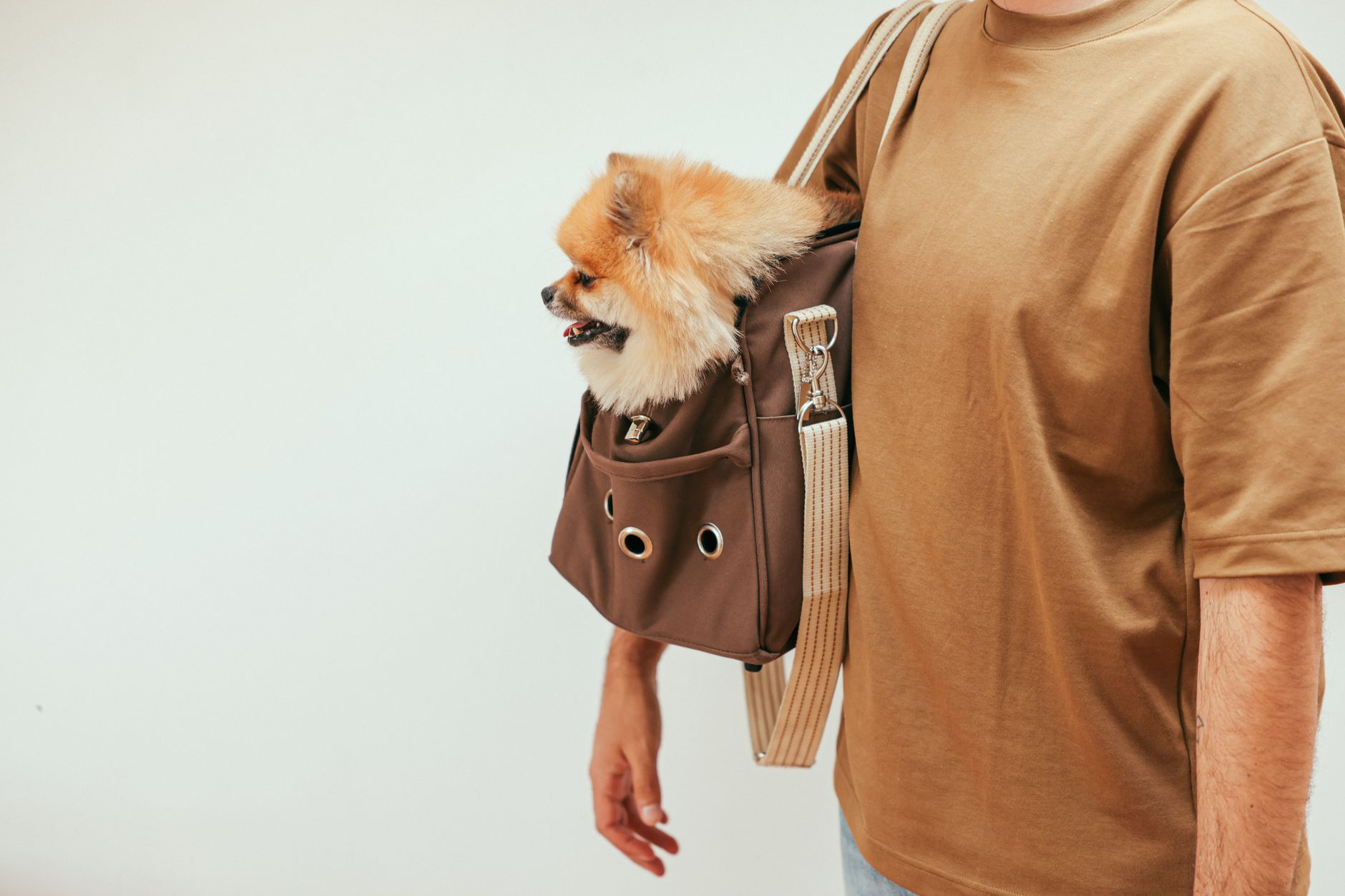
Whether you’re kitting out delegates at a Sydney conference, sending students off on a school excursion from Brisbane, or building a branded welcome pack for corporate travellers heading interstate, choosing the right carrier bag for travel can make or break the experience. It’s one of those deceptively important decisions — a bag that looks great but falls apart on the first flight defeats the purpose entirely, while a thoughtfully chosen branded bag becomes a walking advertisement long after the event is over. This guide covers everything Australian organisations need to know when selecting, customising, and ordering travel-ready carrier bags that deliver real value.
Why the Right Carrier Bag for Travel Actually Matters
It’s easy to underestimate the humble bag. But when you consider how much time people spend in transit — airports, trains, hotel lobbies, conference centres — a well-designed carrier bag becomes one of the most visible branded items an organisation can produce.
Think about a Melbourne-based consulting firm that equips its interstate-travelling staff with branded carry bags. Every time those team members walk through Melbourne Airport or into a client’s office in Perth, that bag is doing promotional work. The same logic applies to a Gold Coast university handing out custom tote bags at orientation week — students carry them everywhere, including interstate trips during semester breaks.
Beyond branding, there’s a genuine practical consideration. Travel places real demands on bags: they need to withstand overhead lockers, overhead compartments on coaches, the wear of footpaths and station platforms, and repeated packing and unpacking. A bag that’s built for the purpose will reflect far better on your organisation than one that looks impressive in a product photo but deteriorates quickly under real-world conditions.
Understanding the Key Types of Travel-Friendly Branded Bags
Not all bags are created equal, and matching the bag style to the intended use is the first step in making a smart ordering decision.
Non-Woven Tote Bags
Non-woven polypropylene tote bags are one of the most popular choices for conferences and events. They’re lightweight, inexpensive to produce, and can be ordered in large quantities with low MOQs — sometimes as few as 50 units. They’re a solid choice for event-day use, such as carrying printed materials, branded merchandise, or product samples.
That said, for serious travel use, non-woven bags have limitations. They’re not particularly robust and aren’t ideal for checked luggage environments. They shine as carry-in bags or day bags at conferences rather than as primary travel bags.
Canvas and Cotton Tote Bags
Canvas tote bags step things up considerably. They’re more durable, more sustainable, and carry a premium perception. A 10oz or 12oz canvas bag will handle daily commuter use and light travel without breaking a sweat. For organisations with an eco-conscious brand identity — say, an Adelaide council running a sustainability campaign — canvas totes pair beautifully with a message about reusability and reducing single-use plastics.
Decoration-wise, screen printing works brilliantly on canvas, delivering crisp, vibrant logos. You can also explore how embroidery compares to screen printing for different bag types to decide which finish suits your brand best.
Backpacks
Branded backpacks are arguably the most travel-friendly option in the promotional bag category. They offer hands-free convenience, substantial storage, and a premium product experience. For a Darwin-based resources company kitting out field staff, or a Canberra government department equipping delegates for interstate training, a quality backpack delivers both utility and brand visibility.
MOQs on branded backpacks typically start at around 25–50 units, and price points vary considerably depending on materials and features. Polyester backpacks sit at the more affordable end, while hybrid canvas or recycled PET backpacks command a higher price but appeal to organisations with sustainability goals. If you’re comparing budget options, our guide to branded backpacks and bulk ordering tips covers what to expect at different price points.
Trolley Bags and Wheeled Luggage
For premium corporate gifting or executive welcome packs, branded trolley bags and carry-on luggage are a step up in impact. These are higher-investment items — typically $60 to $150+ per unit — and suit smaller, curated runs rather than mass event giveaways. If your organisation is rewarding high-value clients or top-performing staff, a sleek branded trolley bag makes a lasting impression.
Drawstring Bags
Drawstring bags are popular with schools, sporting clubs, and event organisers because they’re compact, affordable, and widely used. A Hobart primary school sending students on camp, or a Brisbane sporting association heading to a regional tournament, will often opt for drawstring bags as a practical, lightweight carrier option. They’re easy to print on and can be ordered with fast turnarounds when timing is tight.
Choosing the Right Decoration Method for Travel Bags
The decoration method you choose affects both the look of the bag and how well it holds up over time — which matters a great deal for something that will see regular travel use.
Screen printing is the go-to for large, bold designs on flat surfaces like tote bags and drawstring bags. It’s cost-effective at volume and produces bright, durable prints. However, it works best with simpler artwork and fewer colours.
Embroidery gives bags a more premium, textured look and is particularly well-suited to backpacks and heavier-duty bags. The stitched logo holds up exceptionally well over time, even with regular use and washing. It’s a popular choice for corporate and workwear applications.
Heat transfer printing and sublimation allow for photographic-quality prints and complex multicolour designs. Sublimation is especially effective on polyester bags where full-coverage, all-over design is desired.
If you’re unsure which method is right for your bag and brand requirements, our overview of decoration methods for promotional products is a helpful starting point.
Practical Ordering Tips for Travel Carrier Bags
Getting the logistics right is just as important as choosing the right product. Here are some key considerations for Australian organisations placing orders.
Plan Your Lead Times Carefully
Travel-related events — conferences, school camps, corporate retreats — tend to have fixed dates, which means your bag order needs to work backwards from that deadline. Standard production for custom bags typically runs between 2 and 4 weeks after artwork is approved, though rush options are sometimes available for an additional fee.
Factor in shipping time too, particularly if you’re in a regional area or a smaller state like Tasmania or the Northern Territory. Orders heading to Darwin or Hobart from an eastern seaboard supplier can add 2–3 business days to delivery estimates. Our guide to turnaround times for promotional product orders can help you build a realistic timeline.
Get a Sample Before You Commit
For larger orders, always request a physical sample or pre-production sample before approving the full run. This is especially important for travel bags where quality and durability matter. A sample lets you assess stitching quality, zipper action, fabric weight, and how the decoration looks in real life versus a digital mock-up.
Consider Your Audience’s Real Needs
A bag that suits a Sydney corporate delegate may not suit a group of Perth primary school students. Think about:
- Who will be carrying the bag
- How long and how far they’ll be travelling
- What they’ll need to store inside it
- Whether sustainability is a consideration for your organisation
For eco-conscious orders, exploring sustainable bag options made from recycled or organic materials is worth the extra research — and increasingly expected by Australian audiences in 2026.
Budget Realistically
Budget is always a factor. Non-woven tote bags can come in at under $3 per unit in bulk, while quality backpacks might sit between $15 and $50 depending on specs. Set your per-unit budget before you start shopping, and consider whether a slightly higher investment in a better-quality bag delivers more value over time.
For schools and not-for-profits with tighter budgets, it’s worth asking about how to maximise value when ordering branded merchandise on a tight budget.
Artwork and File Preparation
Make sure your artwork is supplied as a vector file (AI or EPS format preferred) for clean reproduction. For embroidery orders, your supplier will convert the artwork to a stitch file — this process is called digitising and usually incurs a one-off setup fee. Having your brand’s PMS colours documented will also help ensure colour consistency across your order. Learn more in our artwork preparation guide for promotional product orders.
Branded Bags as Long-Term Marketing Assets
One of the most compelling arguments for investing in a quality carrier bag for travel is the ongoing marketing return. Unlike a flyer that gets discarded or a pen that runs dry, a good bag gets used repeatedly — on flights, on weekends, on school runs.
Research consistently shows that bags deliver some of the highest impressions-per-dollar of any promotional product category. Every time someone carries your branded bag through Adelaide Airport or on the Melbourne tram network, your logo is being seen by a fresh audience. That’s genuine, ongoing brand exposure at a very low cost per impression.
For organisations ordering for the first time, our introduction to promotional bags and what to expect from your first order covers the end-to-end process from briefing to delivery.
Conclusion: Key Takeaways for Choosing a Carrier Bag for Travel
Selecting the right carrier bag for travel use is about balancing practicality, brand presentation, budget, and audience needs. Here’s a quick summary to take with you:
- Match the bag type to the use case — drawstring bags suit schools and sporting events; backpacks are better for corporate travel; canvas totes are ideal for eco-conscious conference packs
- Choose a decoration method that will last — embroidery and quality screen printing hold up better over time than cheaper alternatives, particularly important for bags that will see regular travel
- Plan your lead times early — work backwards from your event date, allow for sample approval, and build in buffer time for shipping to regional or remote locations
- Get your artwork right before you order — vector files, PMS colours, and a digitised embroidery file (if applicable) will save time and money
- Think of the bag as a long-term marketing investment — a quality branded bag used on regular travels delivers far more impressions than most other promotional formats